Mitsubishi Outlander PHEV Selects
Look I get it okay. I’ve accepted the fact that the automotive industry is making the transition to electric vehicles for the sake of Mother Earth. Hybrids and those that have to be plugged into the wall are here. They’ve become the norm, the way of the world, kings of the road.
It might not be too long before I’m one of those old (okay really, really old) guys talking about the days when ICE powered vehicles were the rulers of all they surveyed; masters of the pavement, drinking dinosaur blood like it was water. Well, you get the idea.
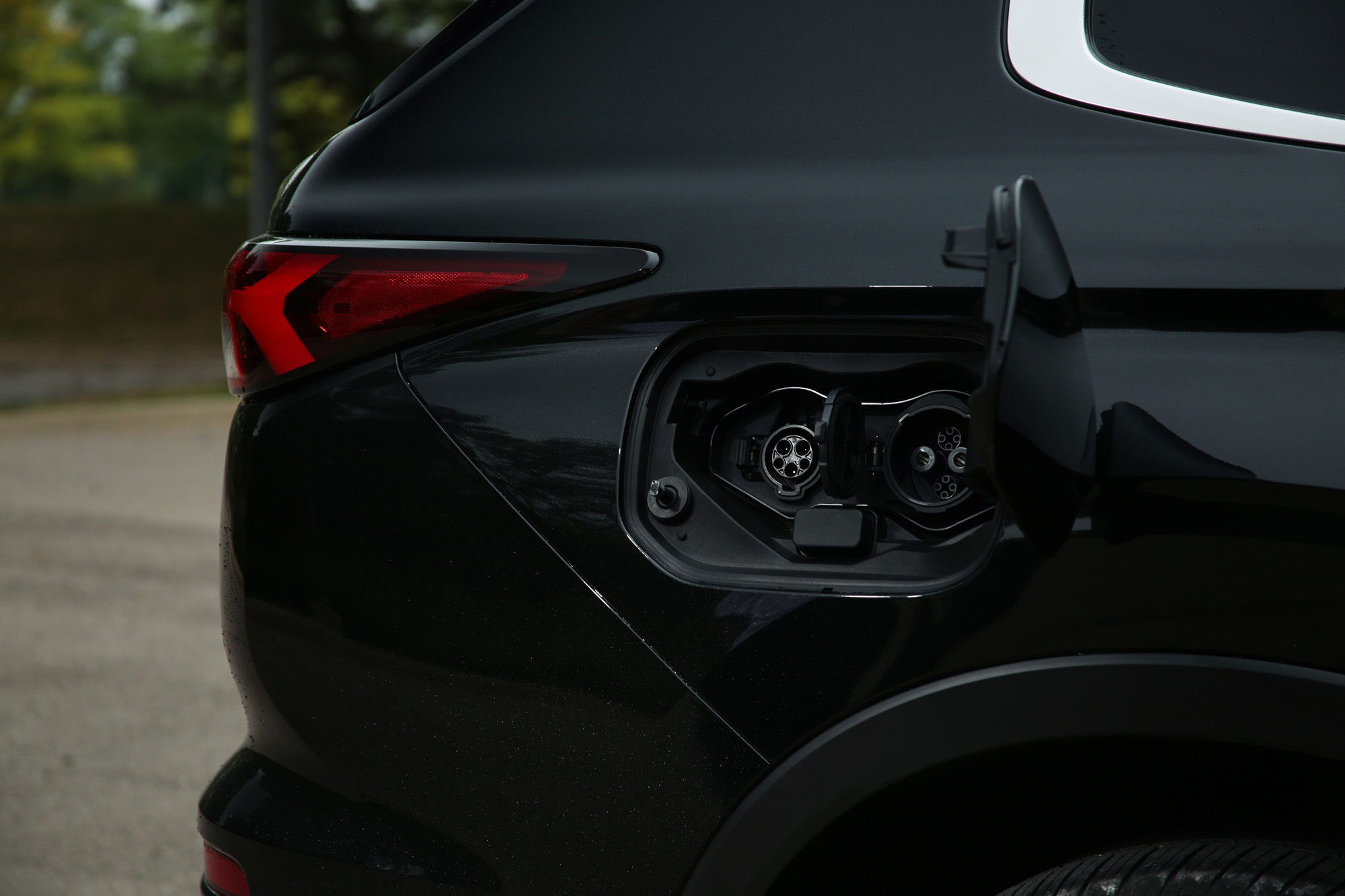
Today driving a hybrid, or a fully electric vehicle isn’t a big deal. I’ve become so accepting of all this I installed a charger at my home recently. Hey, might as well keep up with the times.
I had a chance to try out that charger recently when Mitsubishi sent me a 2023 Outlander PHEV for a recent week.
That last time I had a week with one was in 2021. That was also a PHEV, but quite a different one.
That 2021 Outlander marked the last of that generation. Mitsubishi actually had given up even making anything for 2021 beyond the PHEV. Thus, in 2022 they debuted the fourth generation Outlander, though not a PHEV. And for 2023 the only model introduced, or brought back in this case, was the PHEV. There, all caught up? Good.
The 2023 Outlander still comes in three levels, though they are now called ES, SE, and SEL.
The base ES trim has standard stuff like keyless remote entry/ignition, a digital instrument panel, dual-zone automatic climate control and an 8-inch infotainment touchscreen. Standard safety features include forward collision mitigation, blind-spot warning with rear cross-traffic warning, lane departure warning, trailer stability control, driver attention monitor, and automatic high-beams. Some of that safety stuff would cost you more elsewhere, for the record.
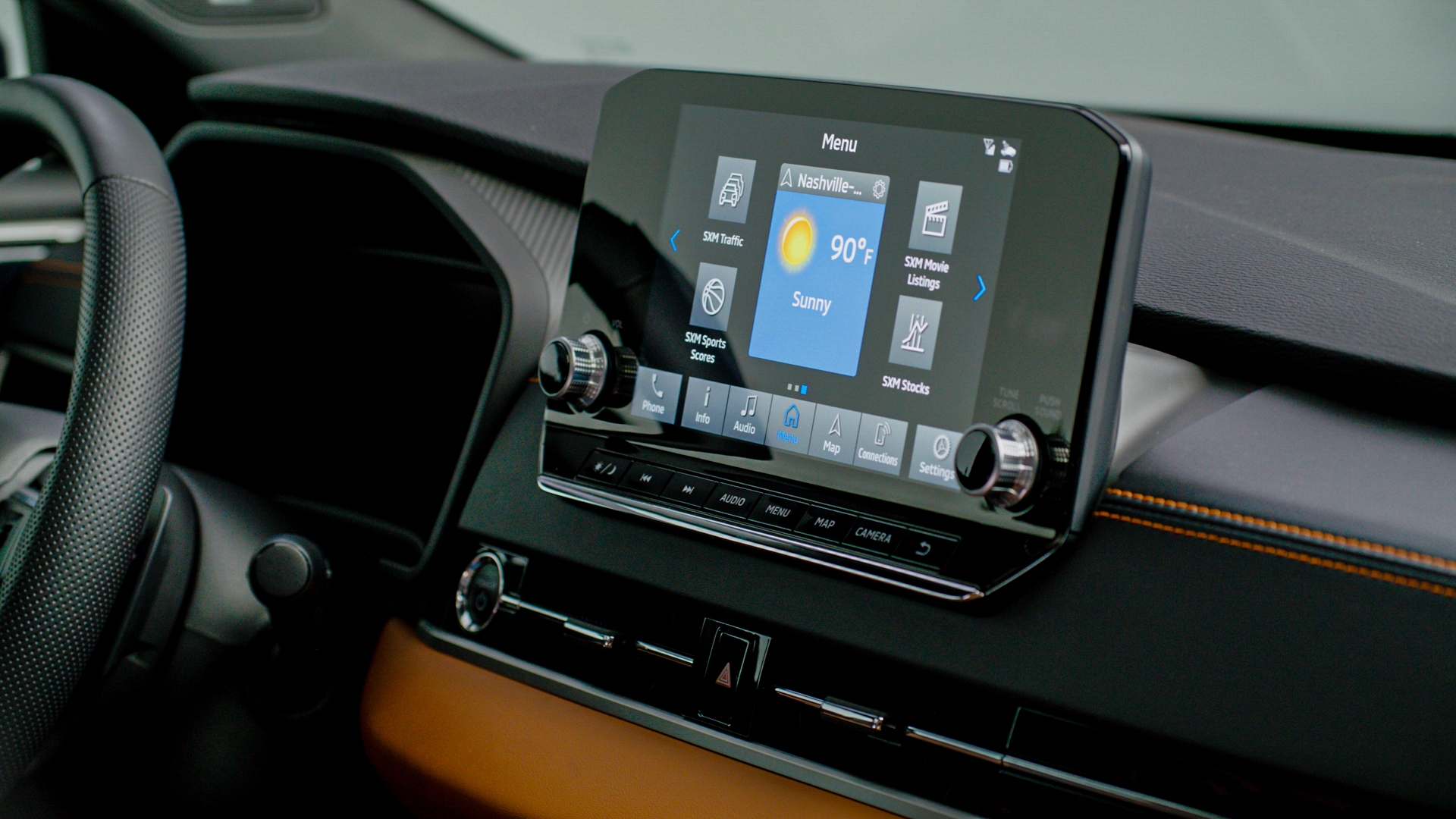
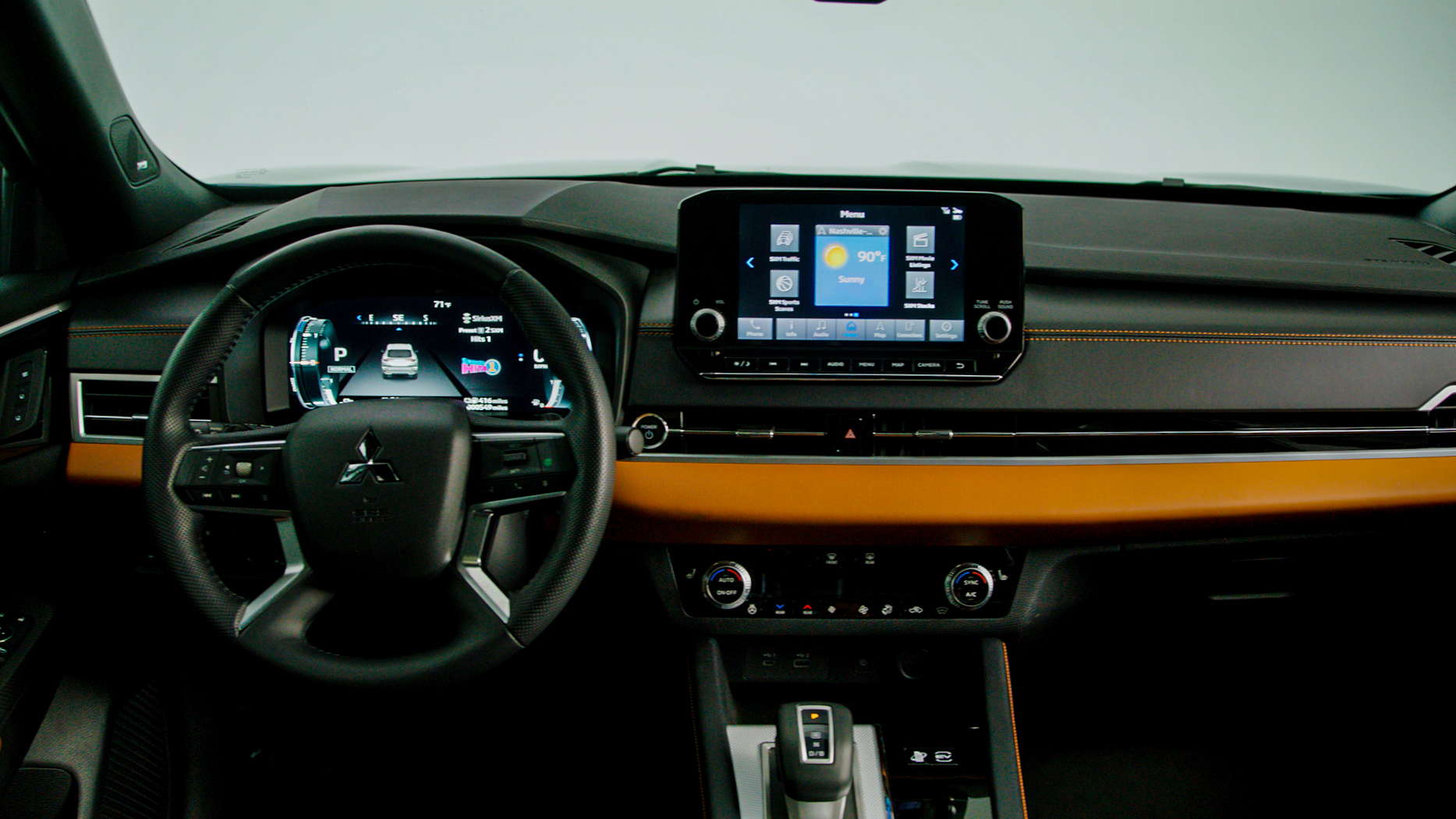
Moving up to the SE moves the wheels to 20-inch up from 18, and adds LED foglights, power-folding and heated mirrors, rain-sensing wipers, a power liftgate, keyless entry, a leather-wrapped steering wheel and shift knob with synthetic leather upholstery, heated front seats, a 9-inch infotainment touchscreen with satellite and HD radio and a wireless charging pad.
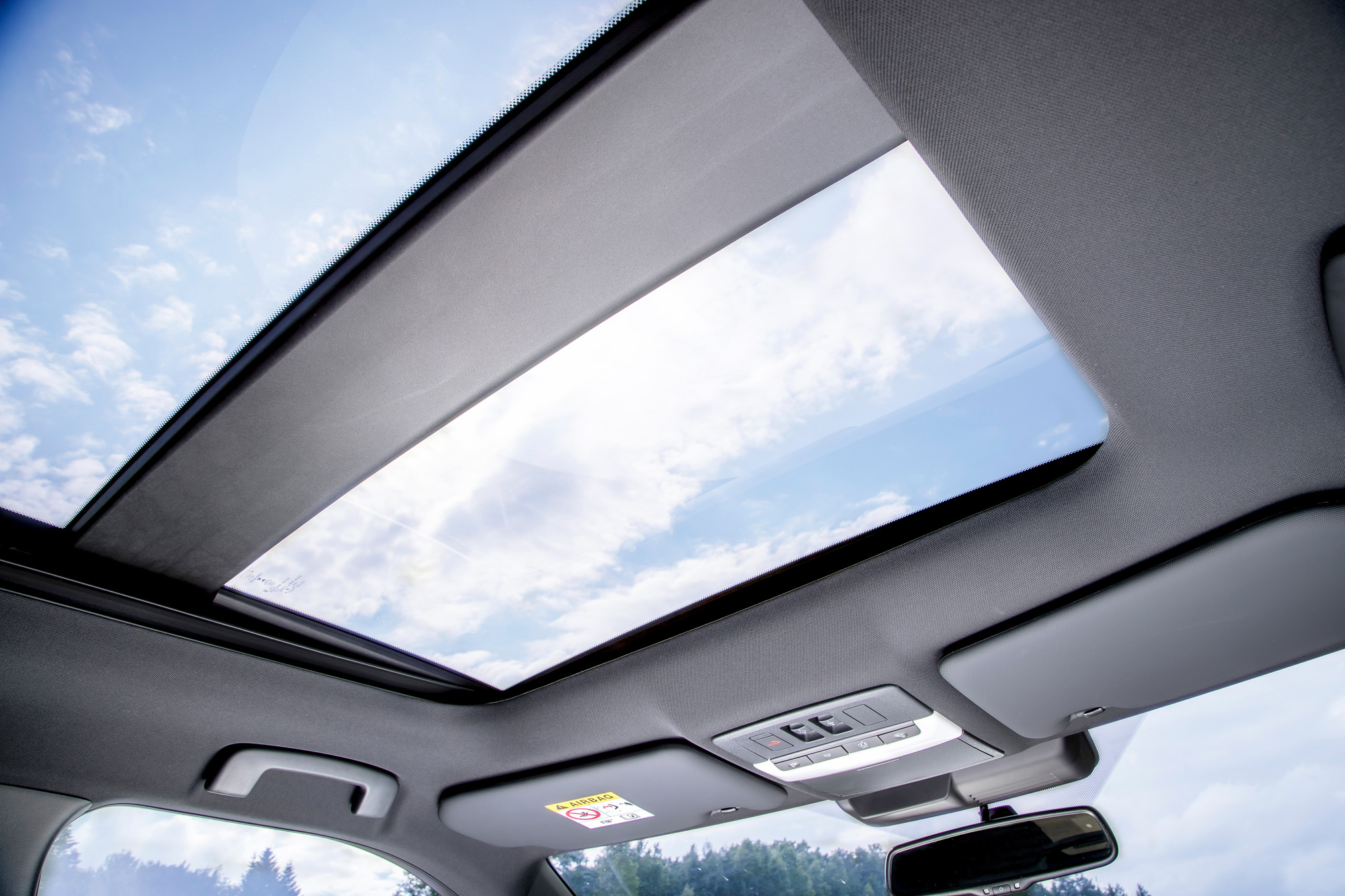
Here you can option in the SE Tech package with a nine-speaker Bose audio system, and a panoramic sunroof. Additional safety features include a surround-view camera system, Adaptive cruise control and active lane keeping assist and blind spot intervention along with highway driving assist.
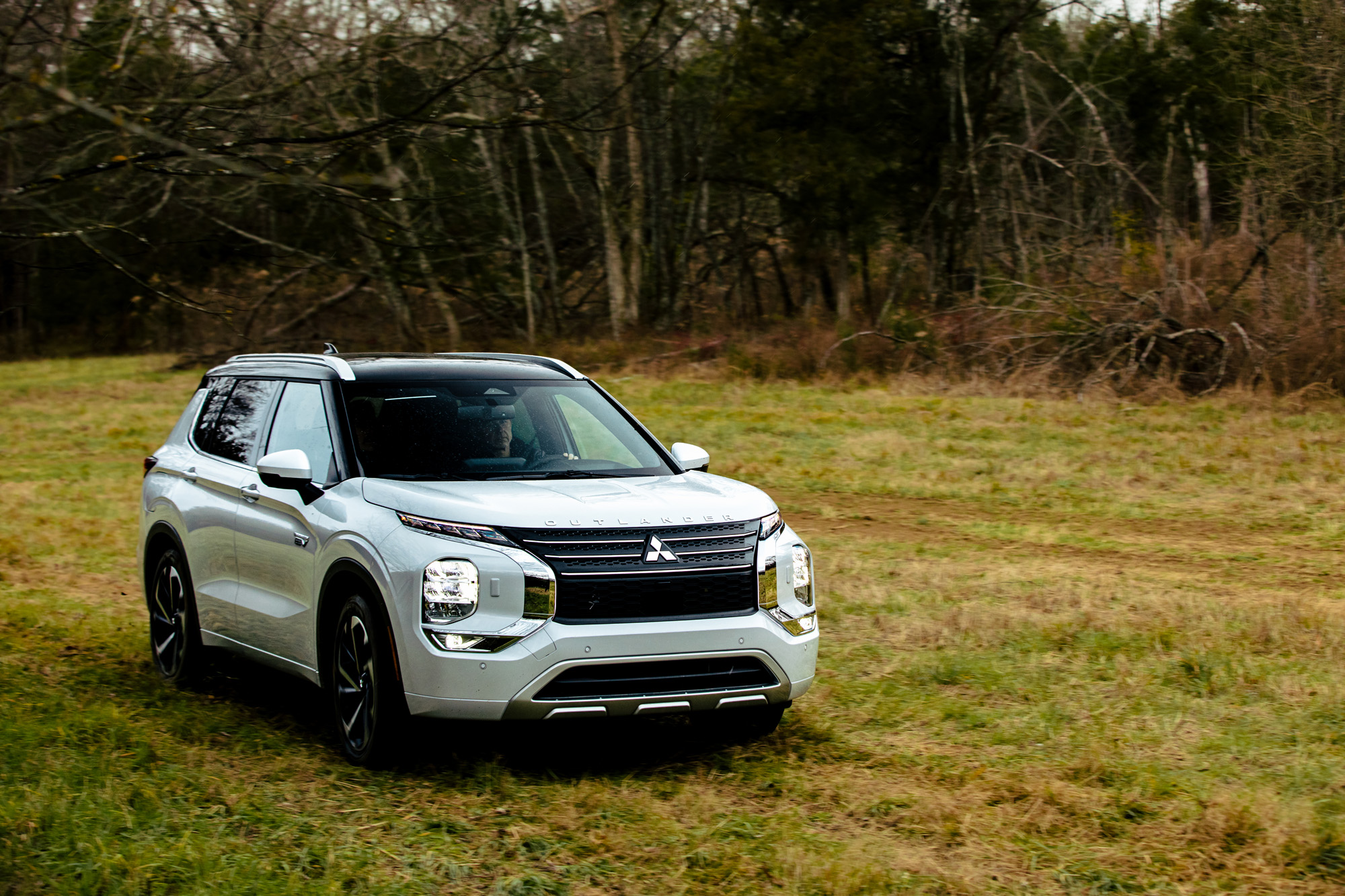
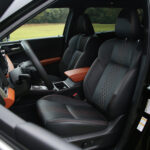
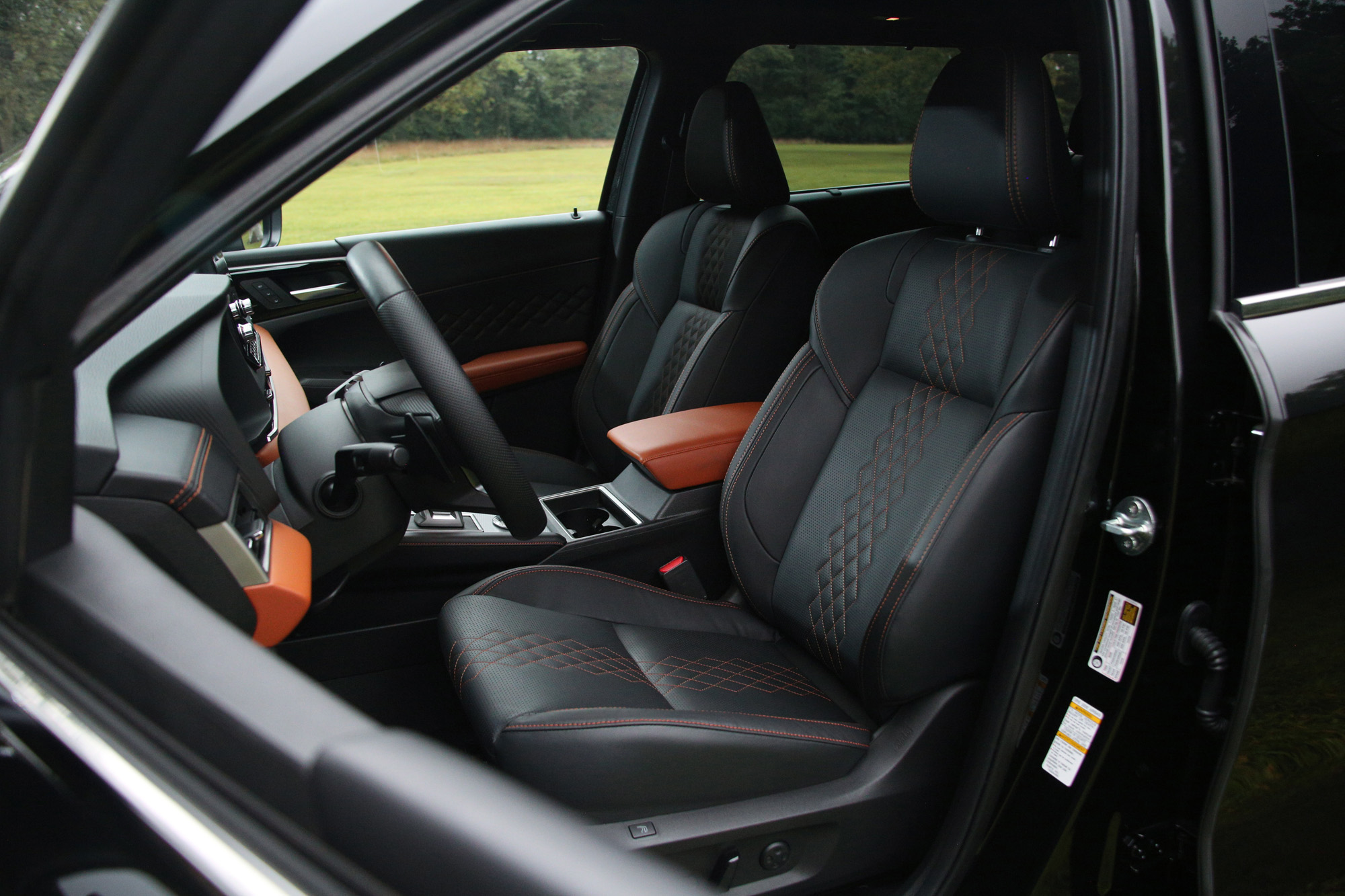
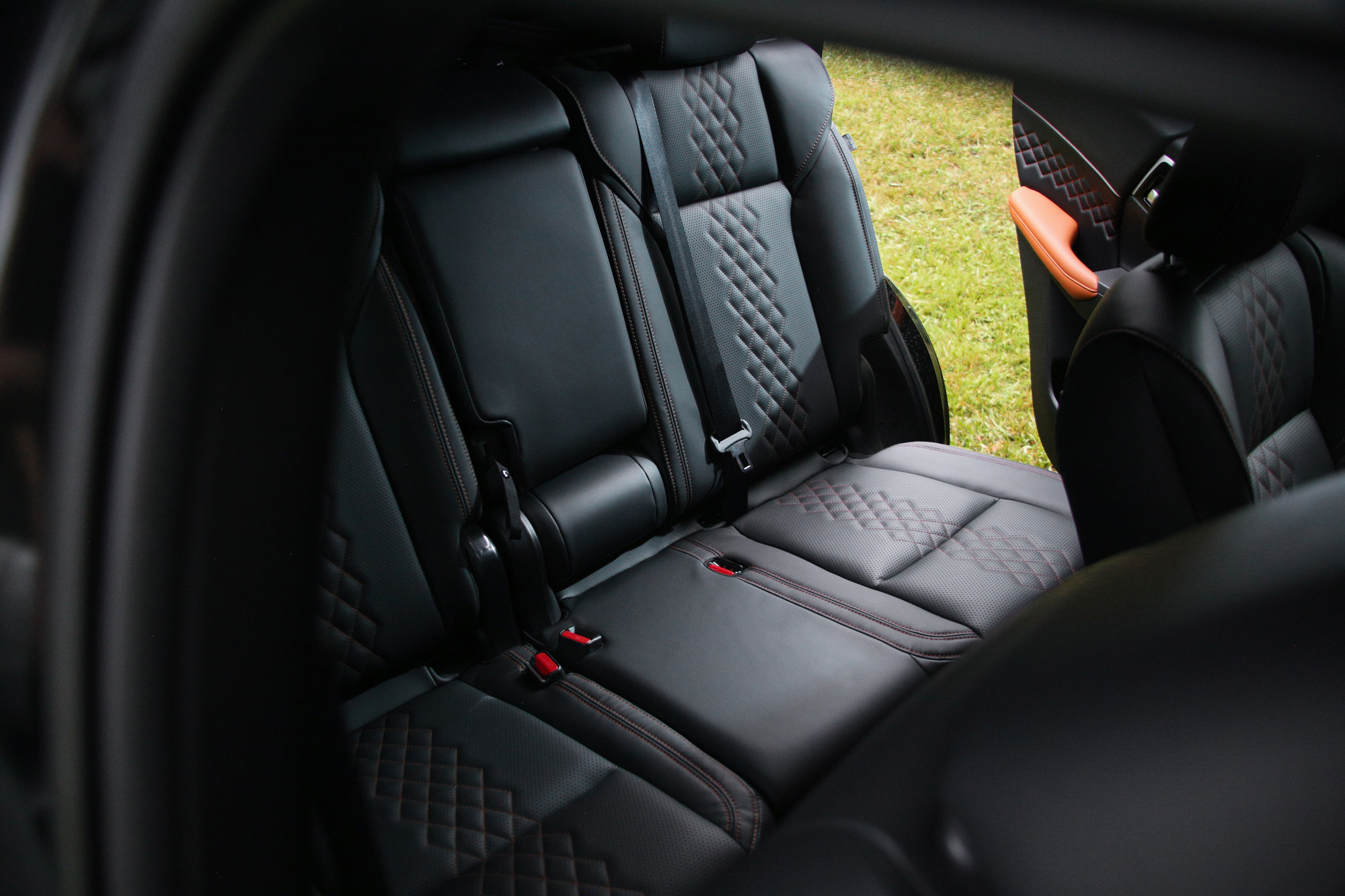
My tester for the week was the top-of-the-line SEL with body-color exterior accents and interior trim elements. There’s also roof rails, full-on leather upholstery, three-zone automatic climate control, heated rear outboard seats, and for the PHEV DC fast-charging capability. I also had a heated steering wheel, Heads Up Display, and a nine-speaker Bose premium audio system. Since I also had the SEL Premium package there was upgraded interior trim, and premium leather upholstery.
2023 Outlander PHEV
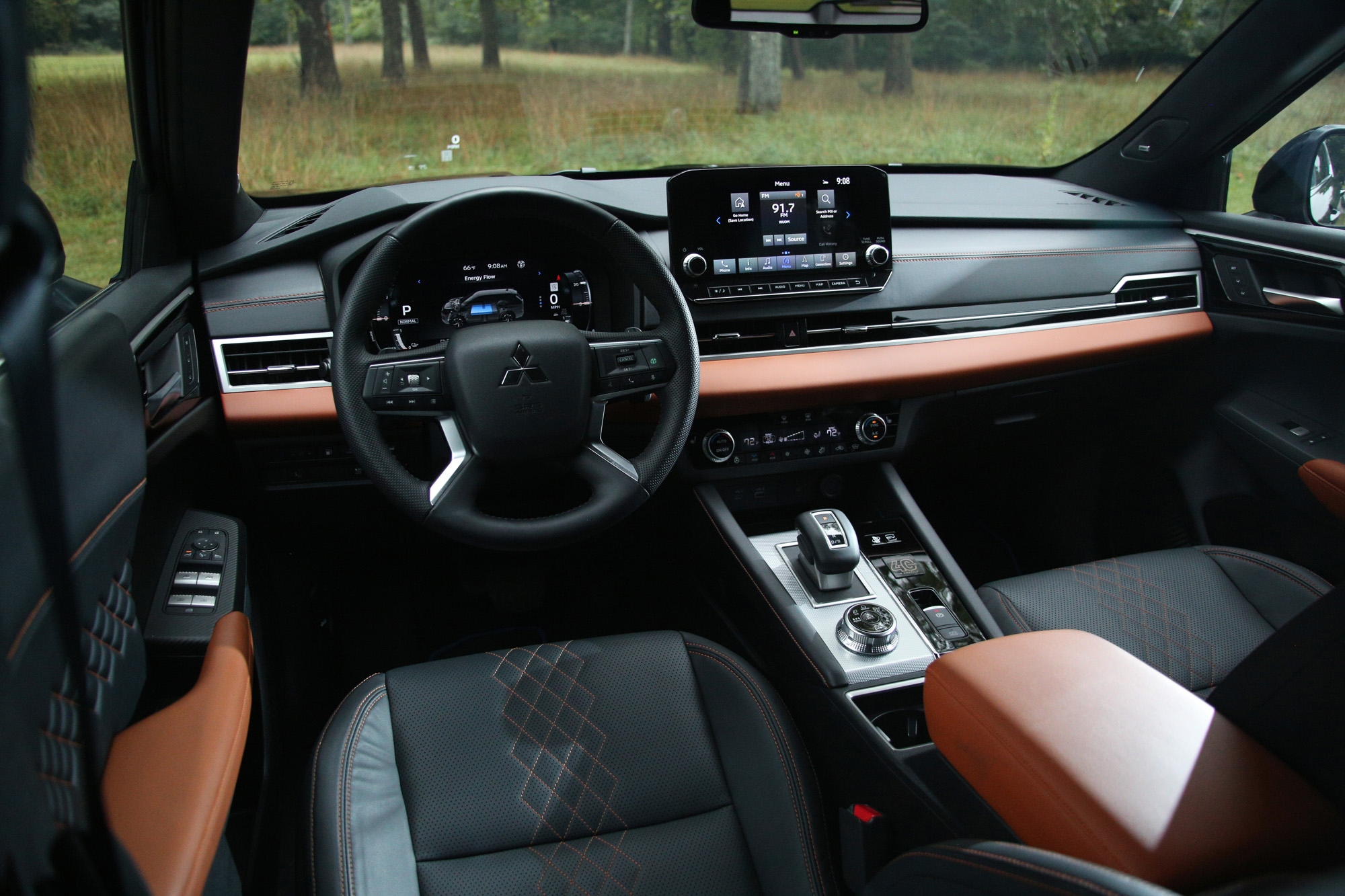
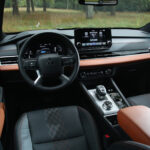
One of the few issues I had back in 2021 was the styling of the Outlander, and the interior which reminded me of the old dark paneled den we had in my house growing up in the 1970s.
Seriously.
I mean sure it was good, I just knew that needed more.
And that’s exactly what the Outlander got.
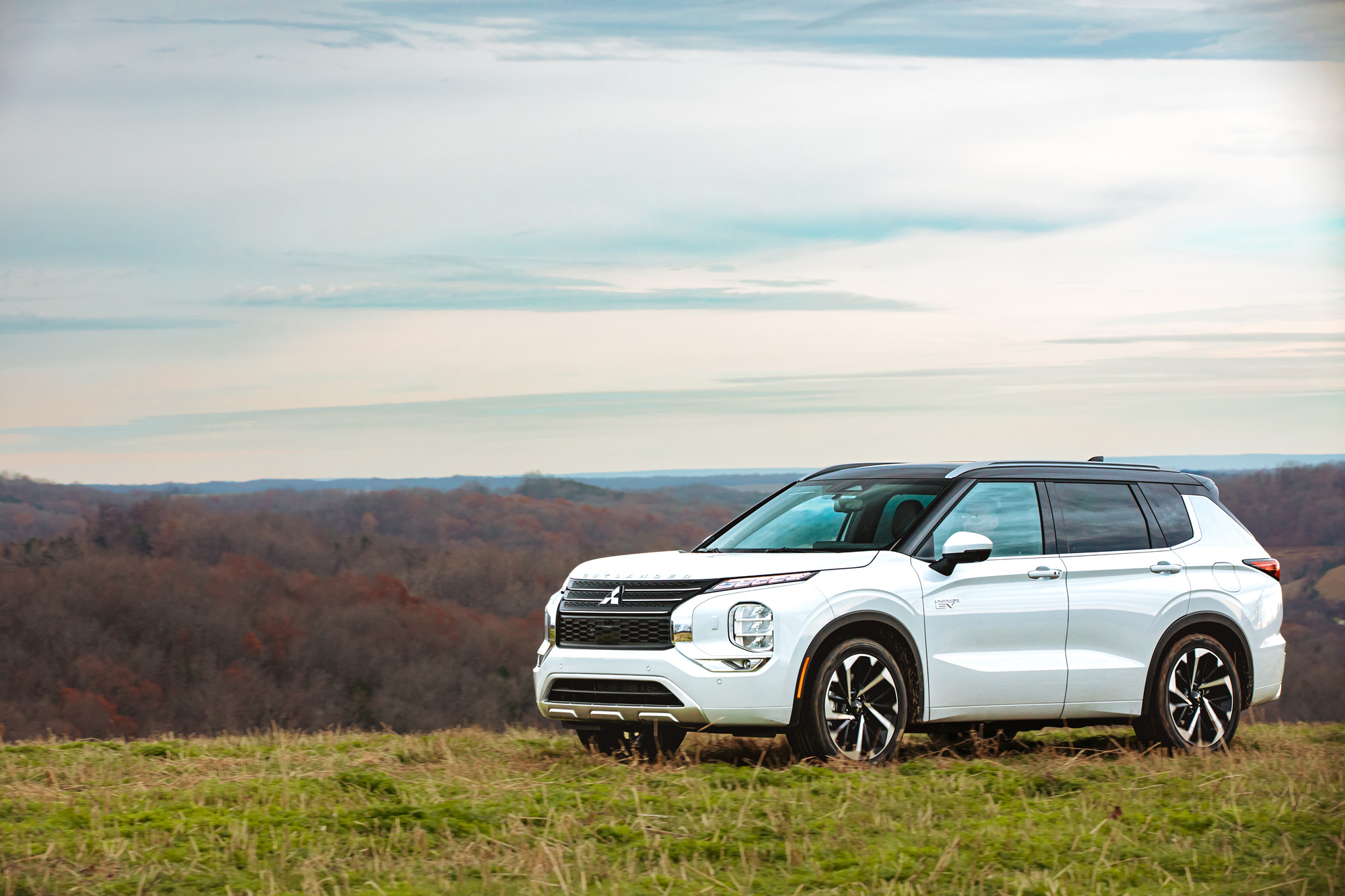
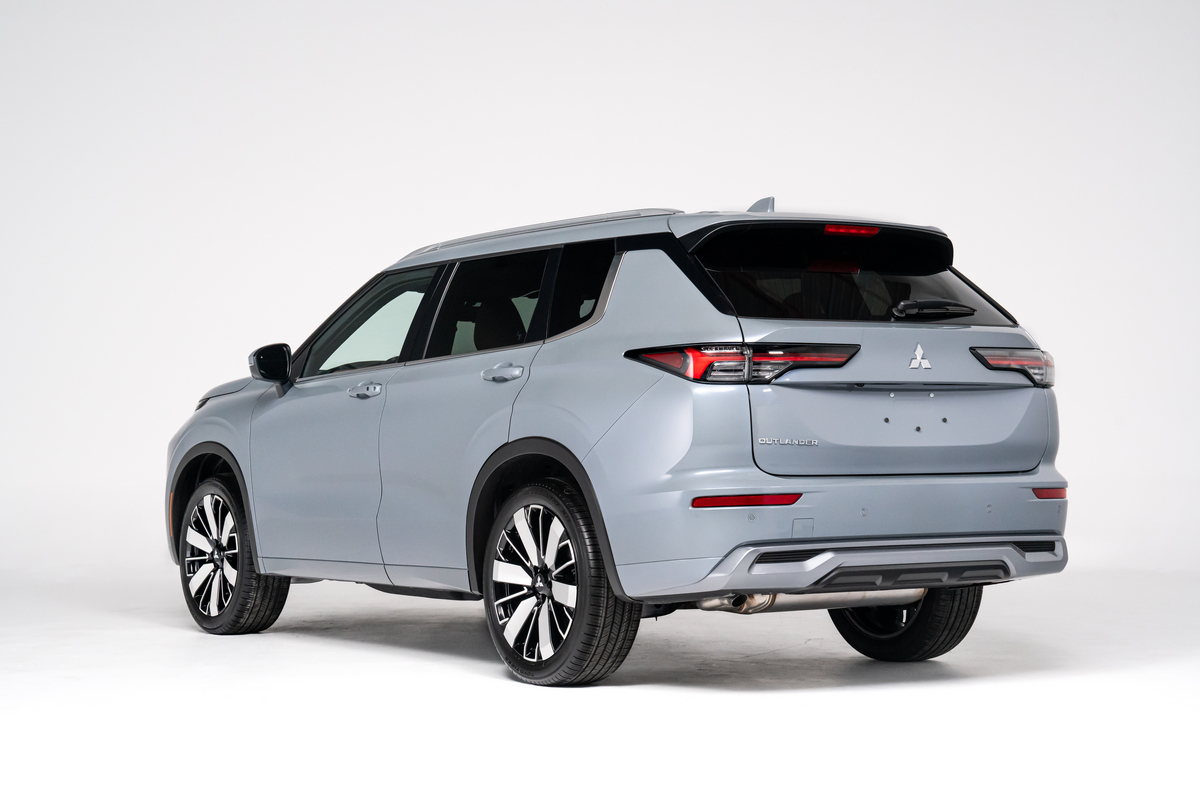
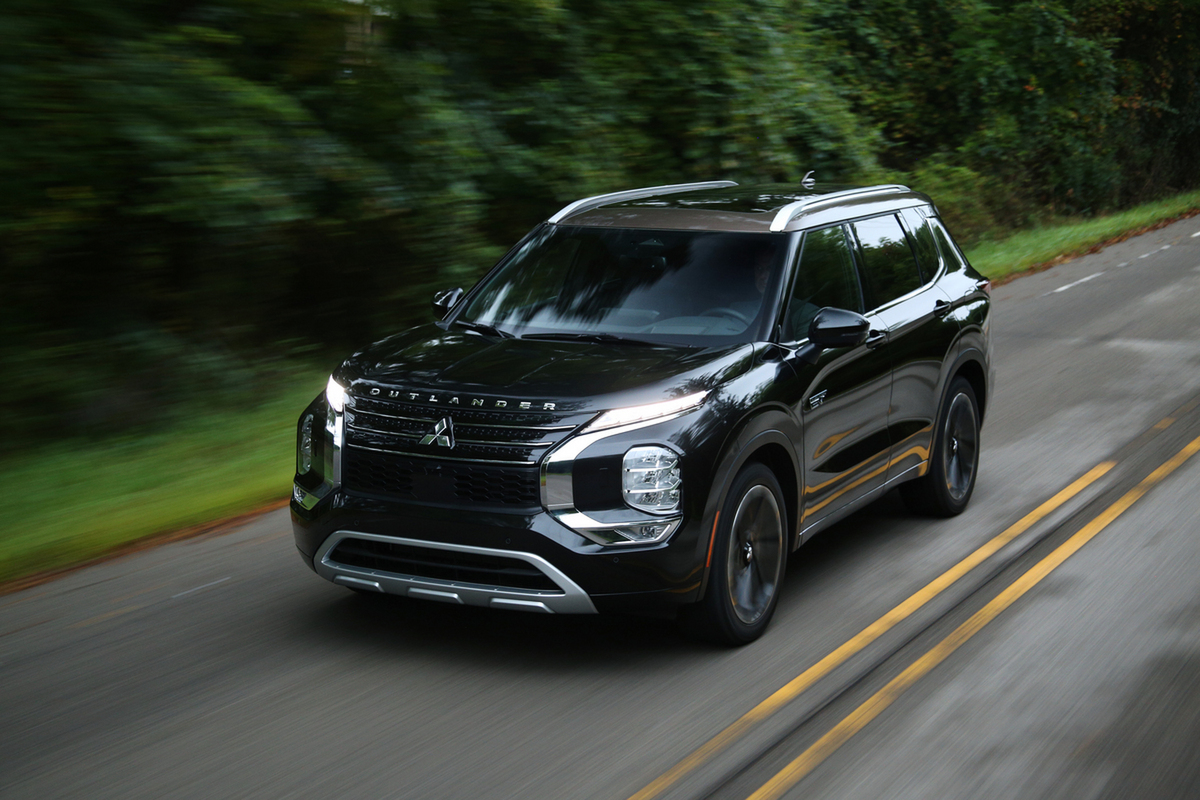
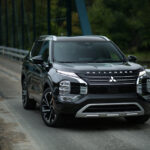
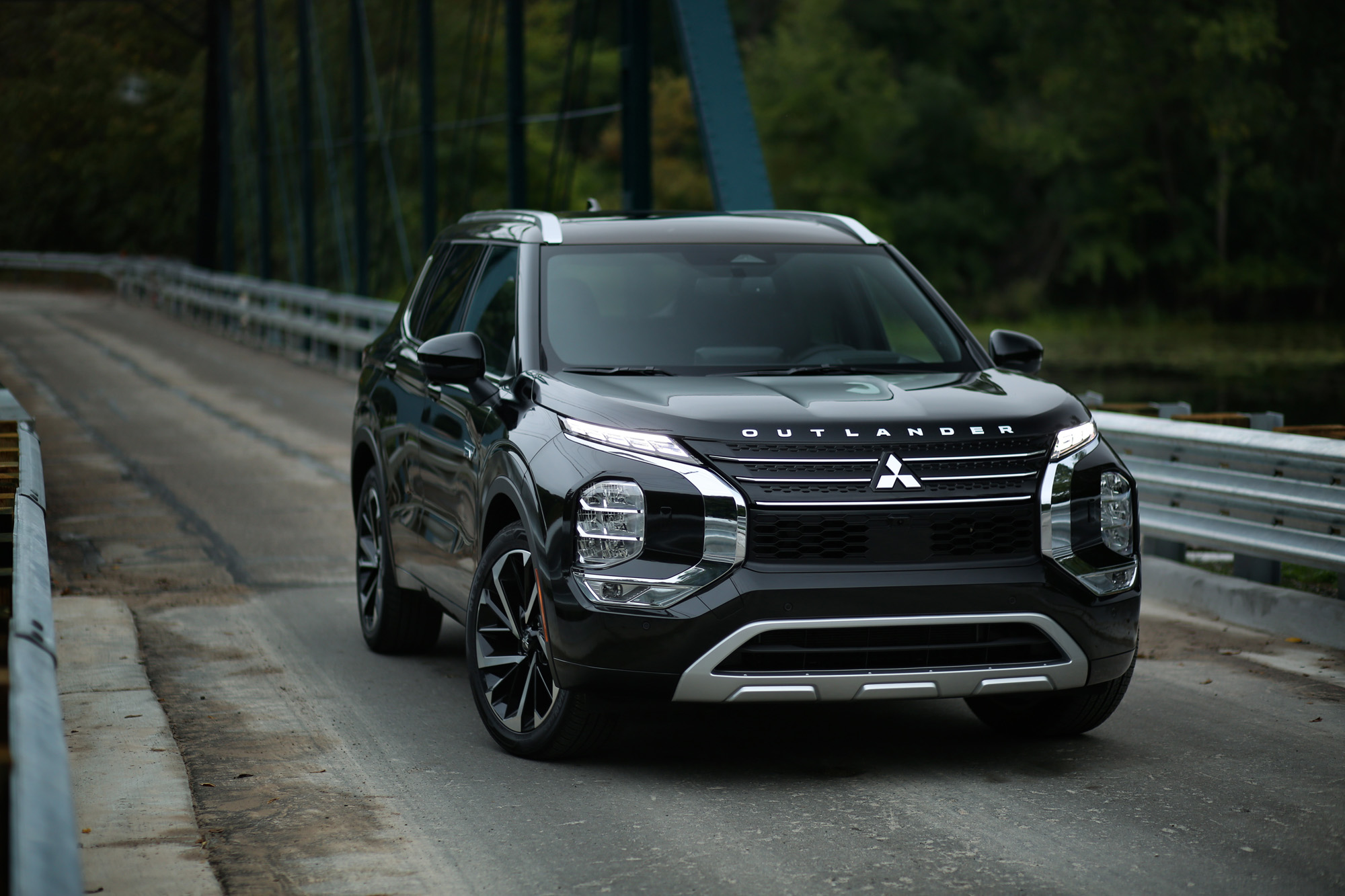
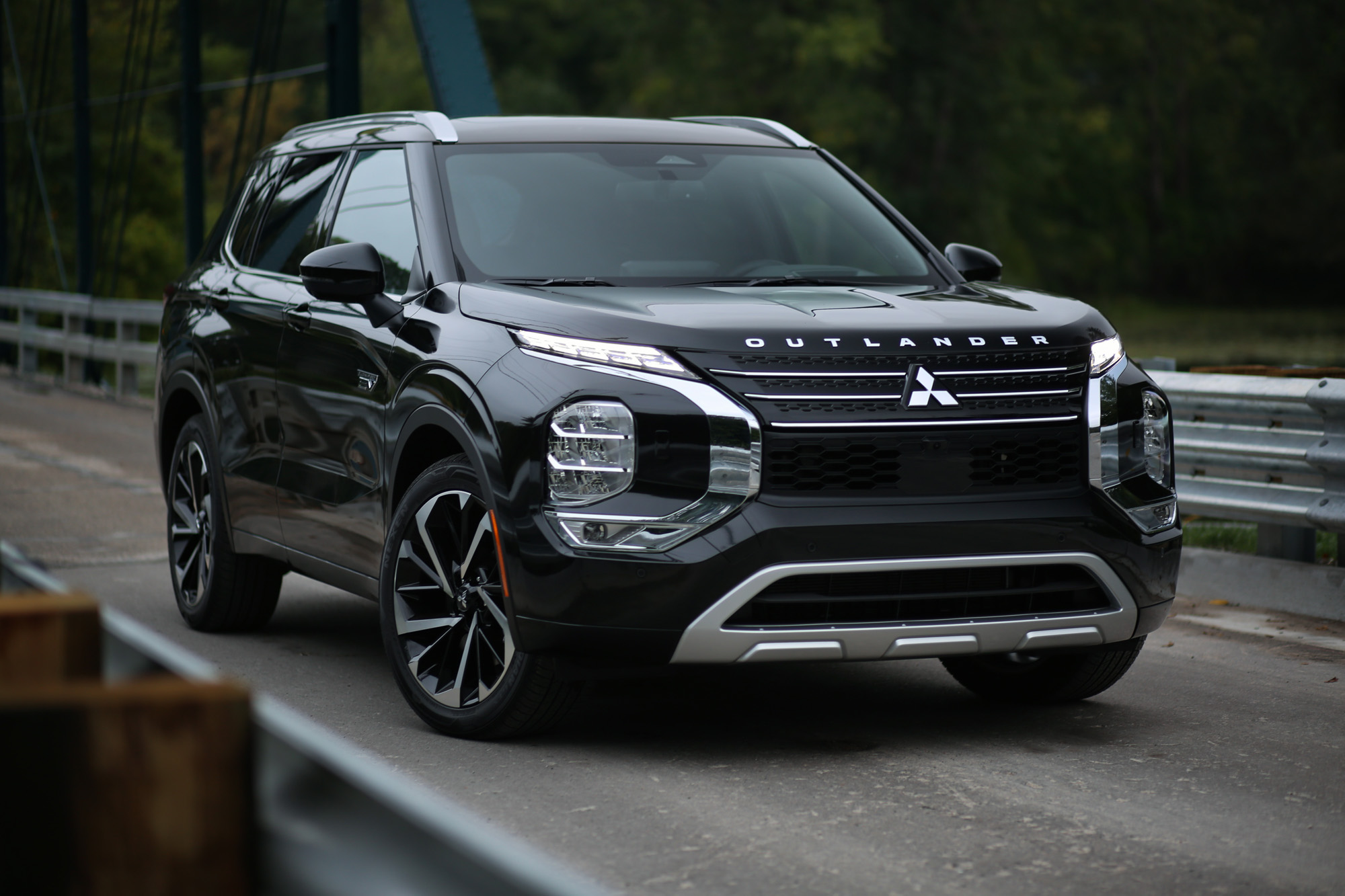
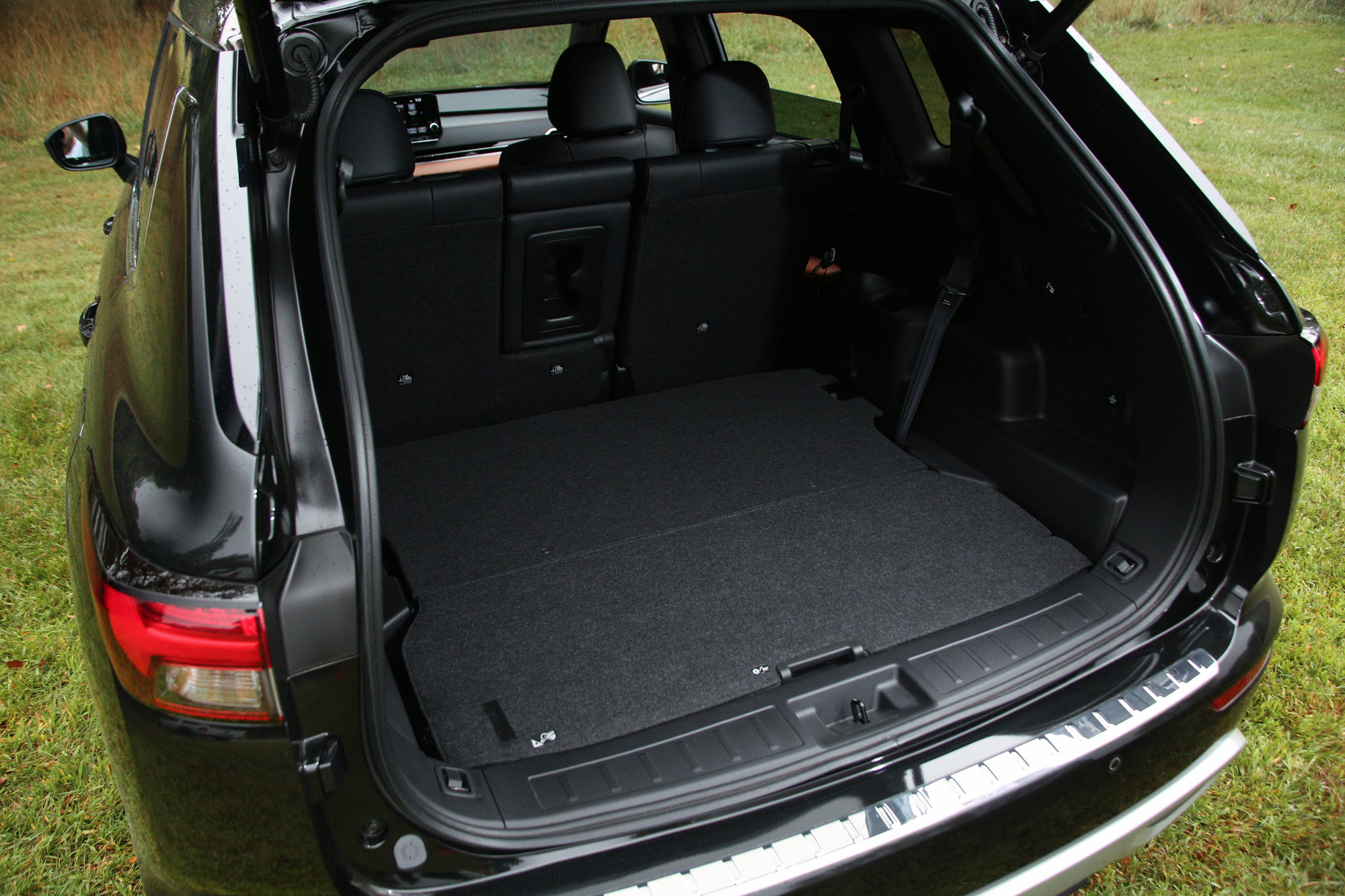
The redesign gave the exterior a boxier profile with a chiseled flatter nose. It looks more like an off roader than a soccer taxi. Overall, it definitely looks more upscale. Speaking of upscale, the interior continues that trend. Indeed, it got the much needed update I whined about back then. And boy did it. The interior certainly has grown up. And while the third-row seating that lets Mitsubishi say this SUV can seat seven might be bit of a stretch, there is indeed a lot of interior room for an SUV that’s classed as “compact.”
There are other improvements as well. Under the hood the PHEV again gets two electric motors and a 20-kWh lithium-ion battery pack paired with a 2.4-liter 4-cylinder engine, but the combined horsepower is now 2248 up from 221, and the total torque 332 way up from the 2021 lb.-ft. of 147.
On the road that increase is noticeable. They’ve also added an AWD system called “Super All Wheel Control,” which sounds like Japanese Anime to me, but is a branded name for a torque-vectoring all-wheel-drive system which is better that other AWD systems, I guess.
Yes, there is still an CVT in place of my beloved transmission, but on the road, I didn’t notice a difference and the Outlander was well behaved. Of course, I might have been jaded a bit. Did I mention that the top tier model has an option for front seat massagers? Well, I had that option, so it made a good week even better.
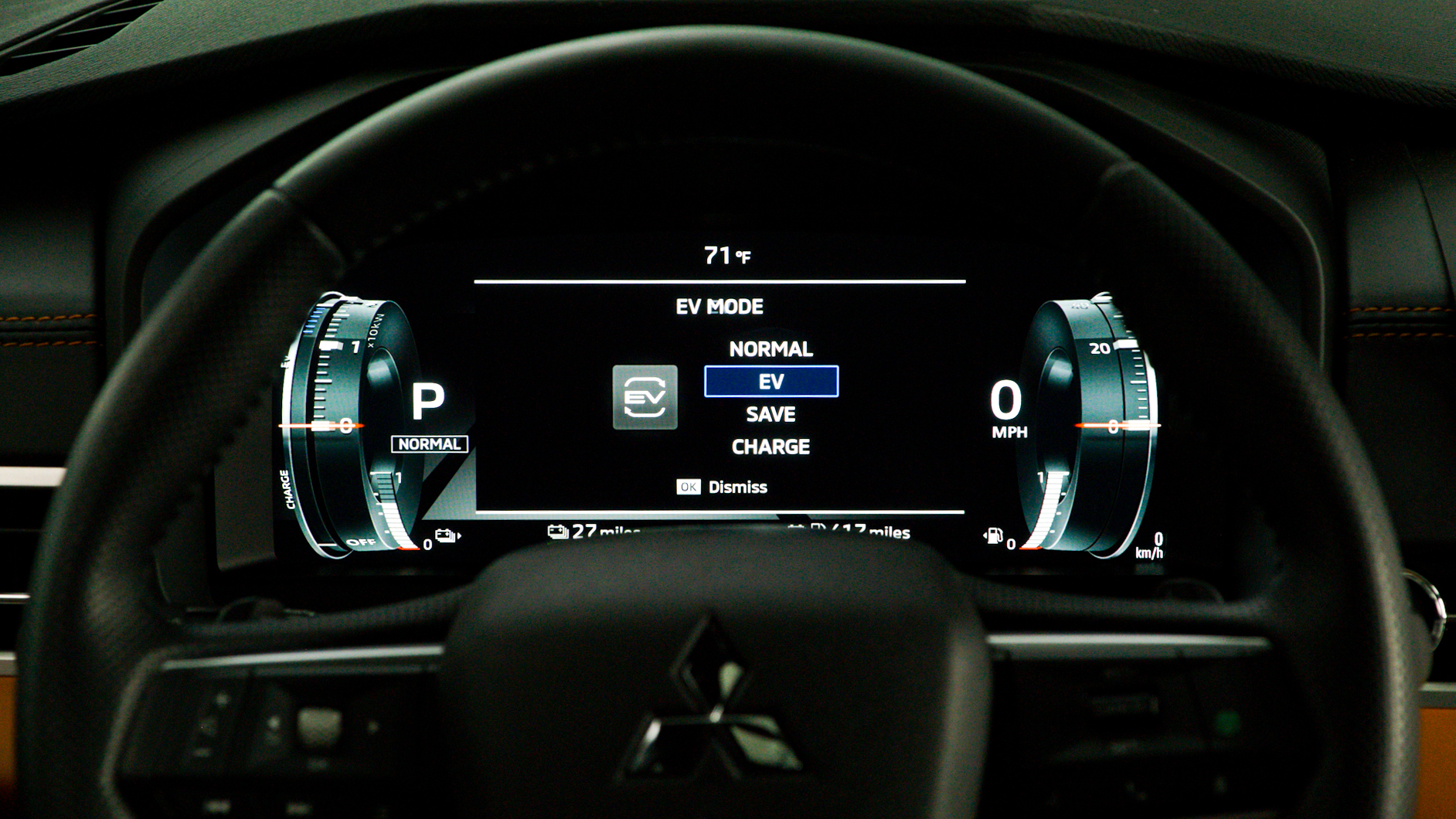
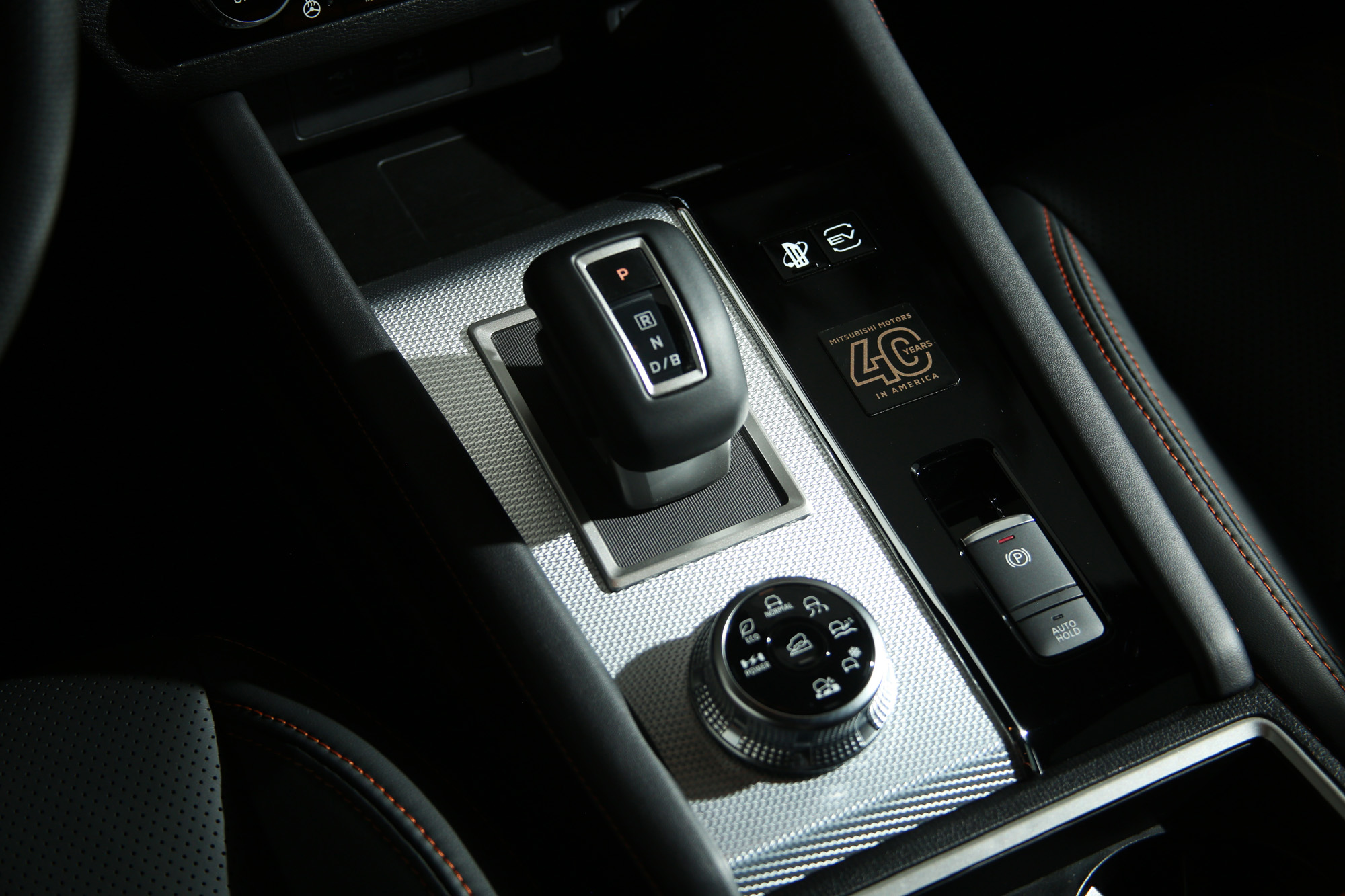
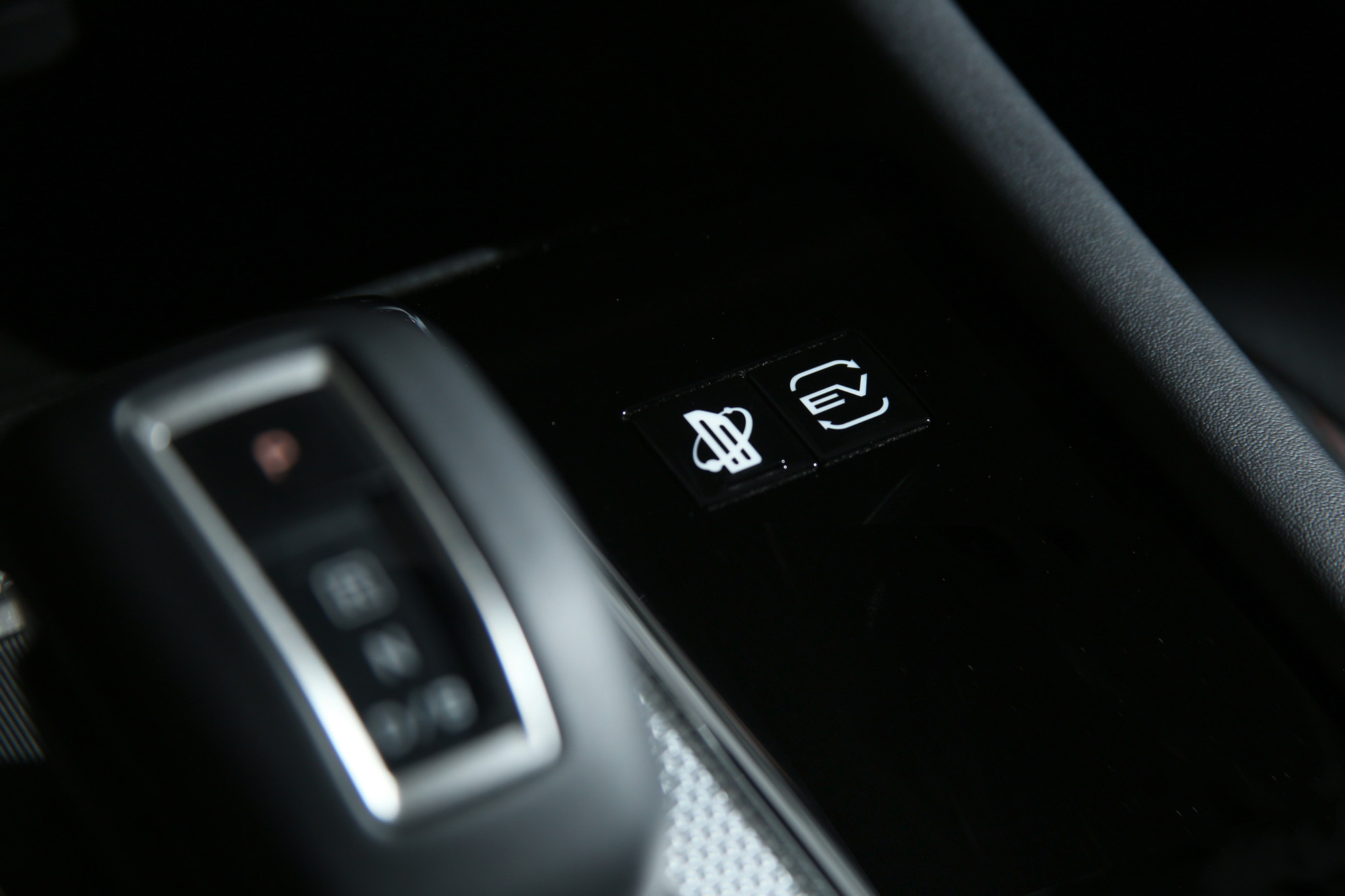
During the week I went through the four powertrain settings. Normal is the hybrid mode, using both electric and gas power. EV mode focuses on electric operation, while the Save mode prioritizes gas power to save electric range for later use. Charge mode uses the gas engine like a generator to charge the EV system. Like some of the other PHEV’s I’ve tested in Charge mode, the pedal will slow the vehicle down quickly while charging the batteries, but won’t bring it to a complete stop.
Maybe it’s a sign of the times in my world. But if I was going to cross over to the hybrid-electric world, I would first step onto the PHEV ledge. You still have an ICE, but you also have hybrid, and full electric (with a 38 mile all electric range by the way). And now that I can charge it at my house that part would be easier than ever before.
Now, did I ever tell you about this 1980 Trans-Am I once owned…
2026 UPDATE
-
- The 2026 Outlander SEL
-
- The 2026 Outlander SEL
-
- The 2026 Outlander SEL
-
- The 2026 Outlander SEL
-
- The 2026 Outlander SEL
-
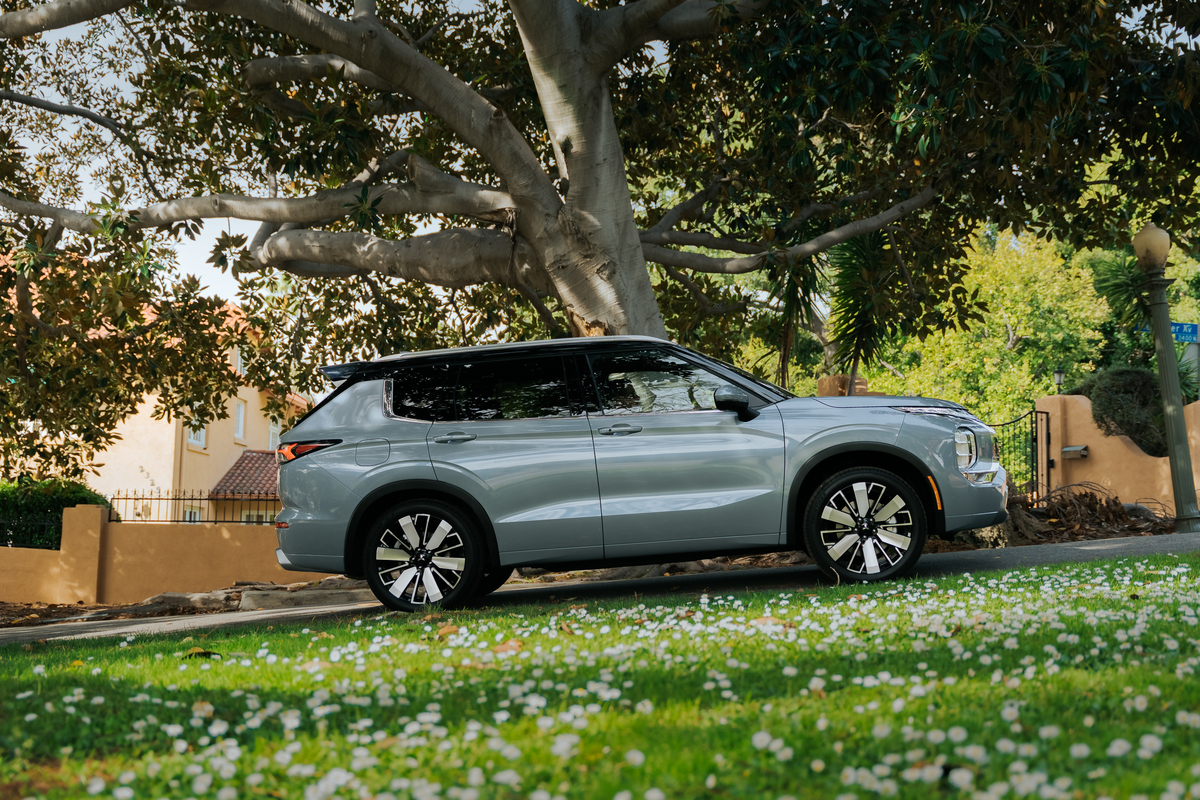
- The 2026 Outlander SEL
-
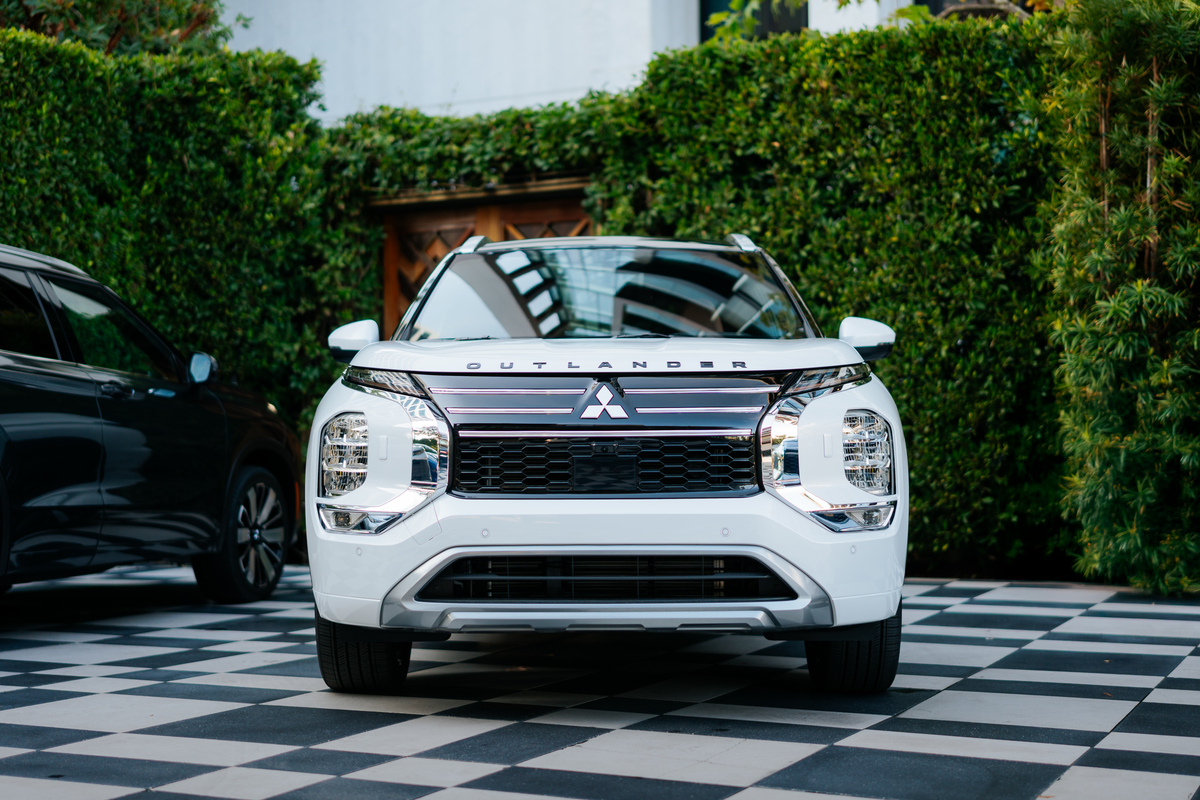
- The 2026 Outlander SEL
-
- The 2026 Outlander SEL
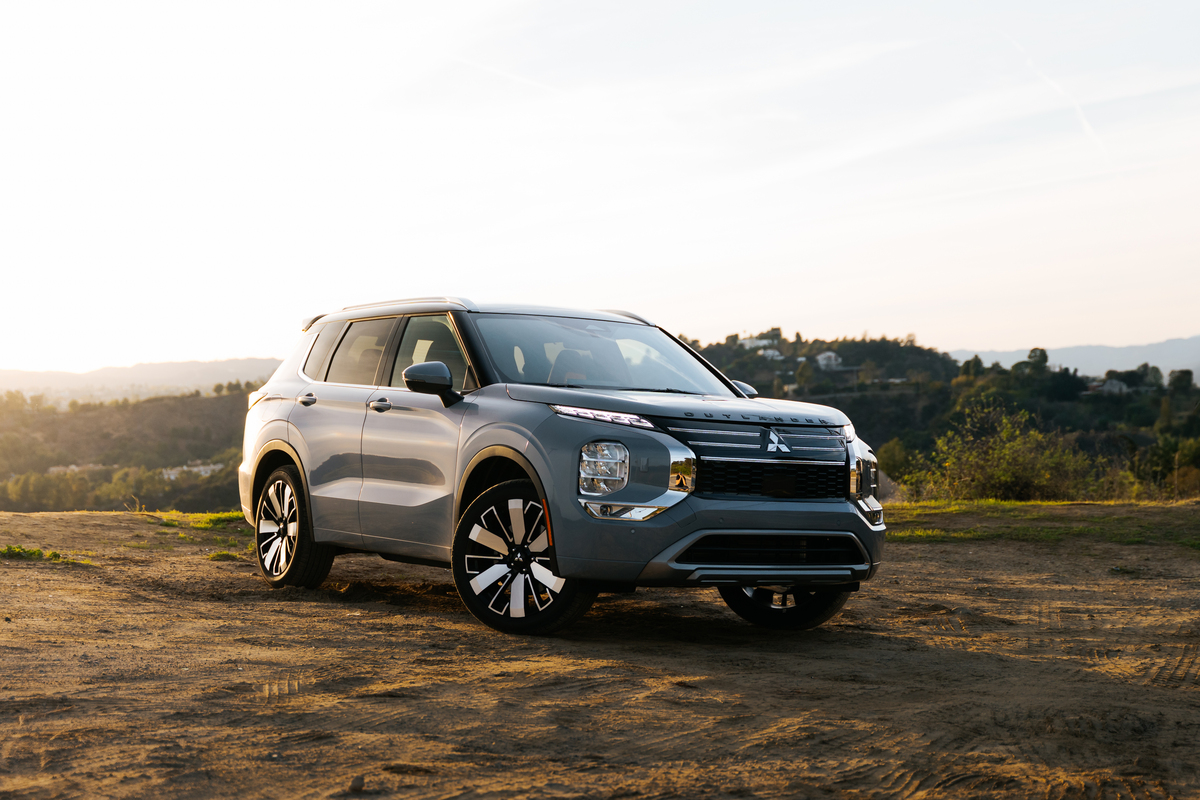
Three years later, I found myself back in an Outlander. Except this time there was no charging cable to coil up, no battery strategy to debate, and no quiet little satisfaction from watching electric miles pile up. My tester was a 2026 Outlander SEL, and in a way, it felt perfectly timed.
Because since 2023 the world has changed a bit. Plug-in hybrids and full EVs haven’t disappeared, but the fever has cooled. The early adopters have their chargers and their apps and their opinions. Everyone else seems to have looked around and said, “You know what? Maybe just make the thing quieter, cheaper, and easier to live with.” Vehicles for the sake of Mother Earth haven’t vanished. They’ve simply had to share the stage again with people who still want to fill up in five minutes and get on with life.
Mitsubishi appears to have noticed.
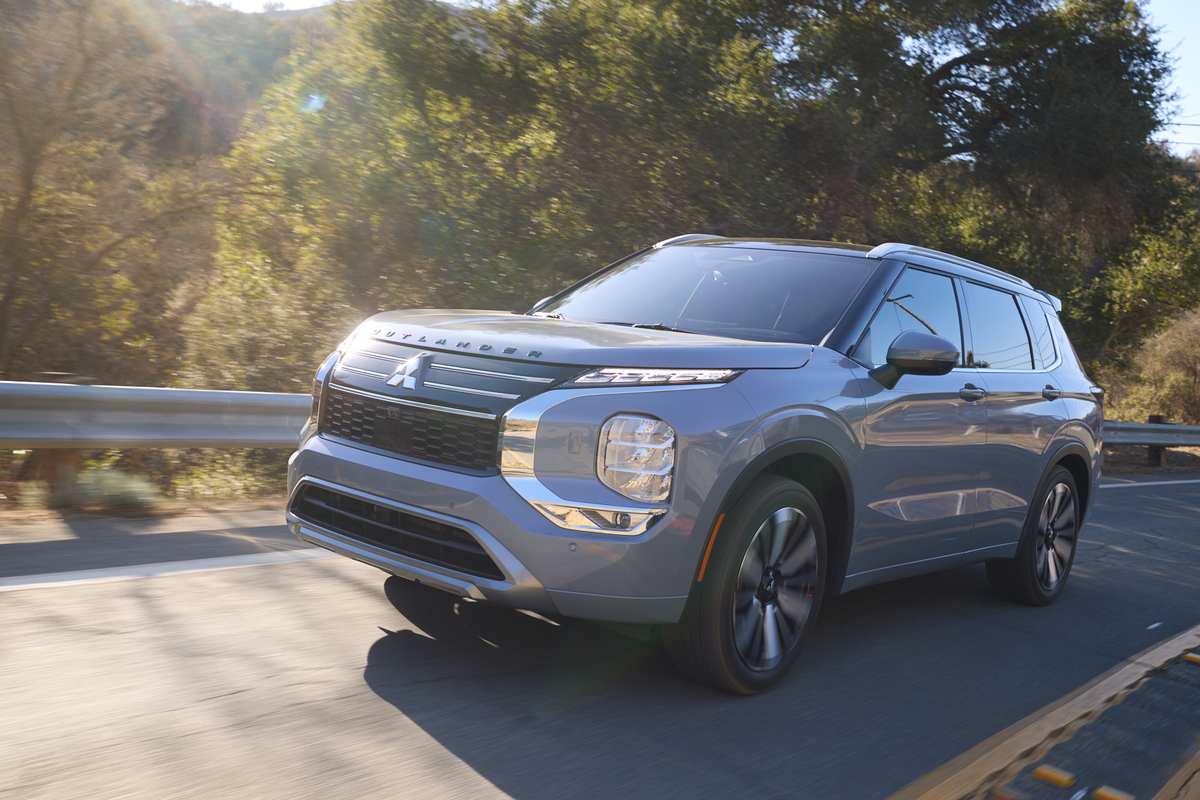
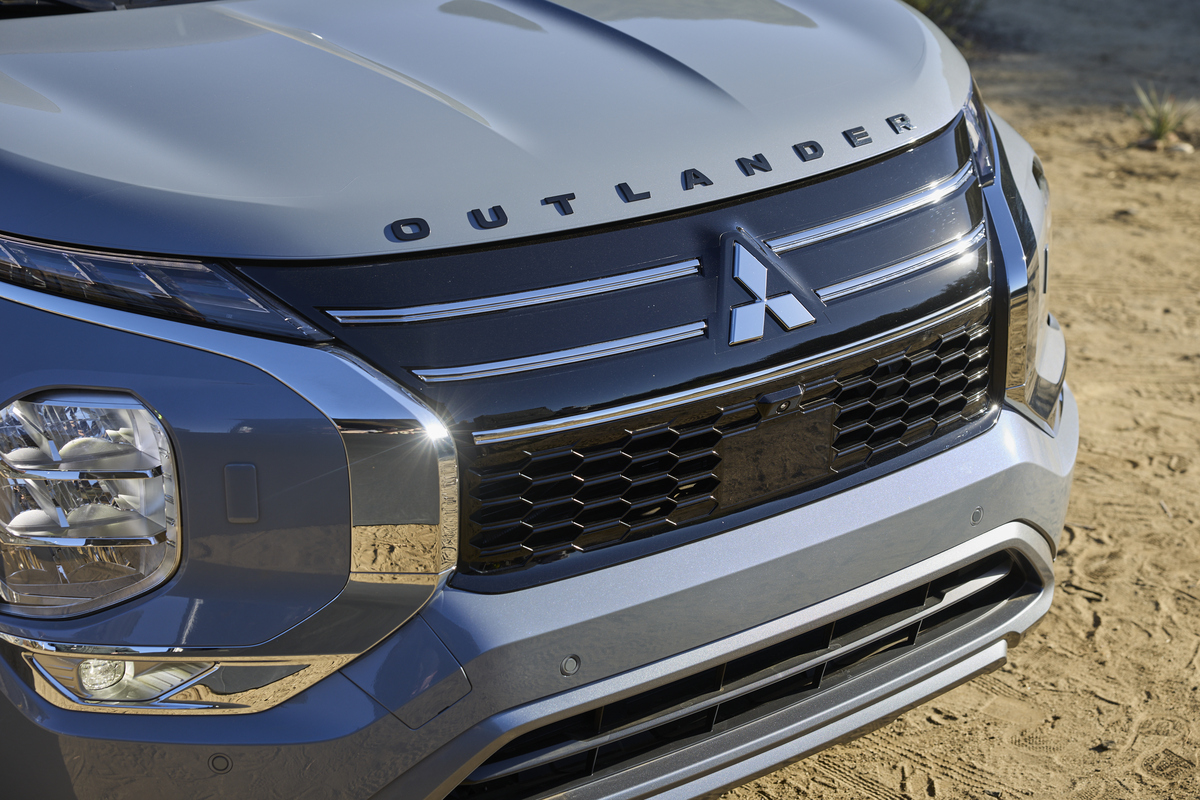
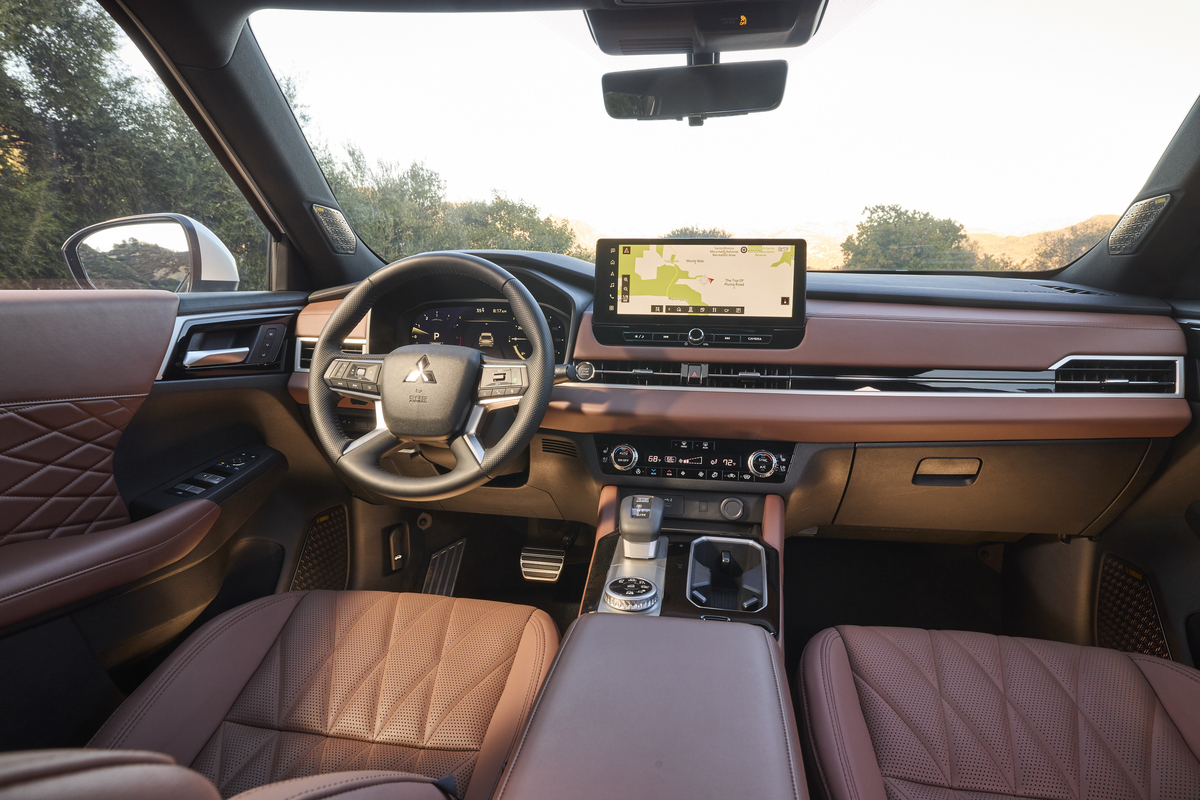
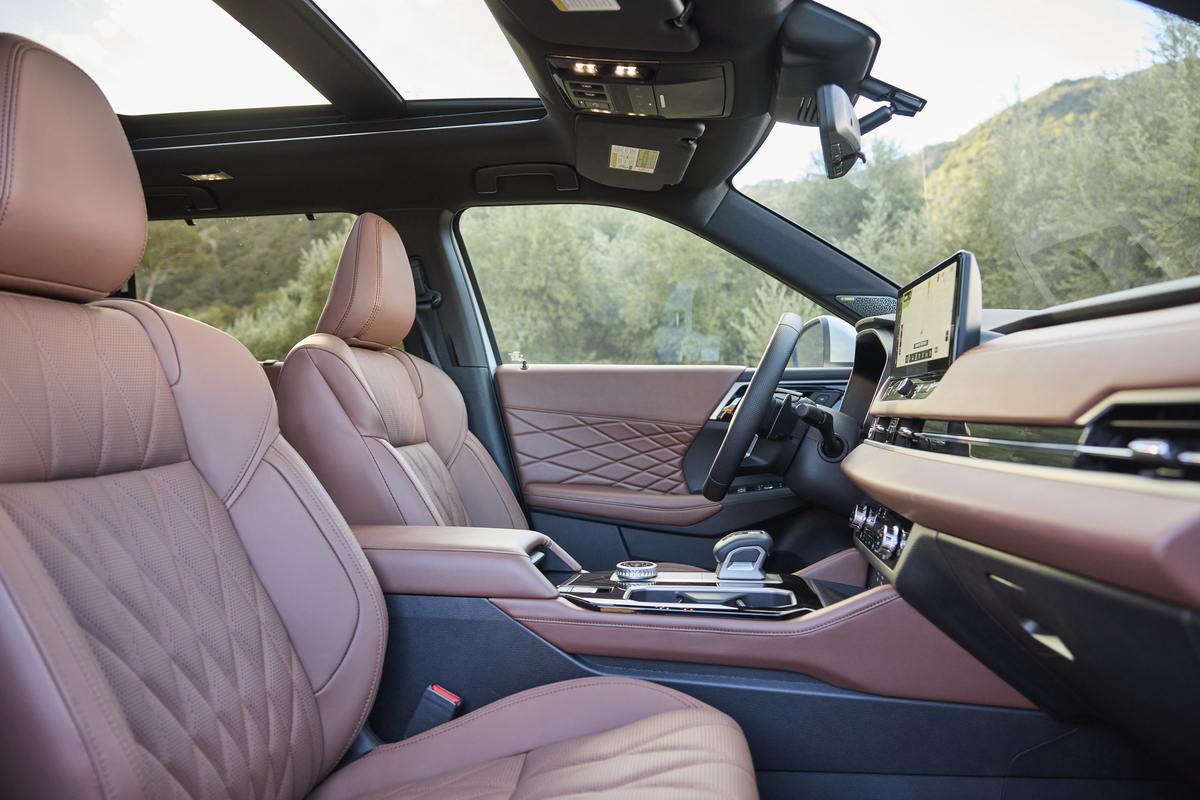
The Outlander received its refresh last year and carries into 2026 mostly unchanged visually, which is fine because it still wears that square-jawed, pseudo-rugged look well. There’s a revised grille, updated lighting, and some wheel tweaks outside, but the bigger wins are inside. Mitsubishi reworked the center console, added more usable storage, moved things around so your phone isn’t constantly fighting the cupholders for territory, and fitted a Yamaha audio system that finally sounds like something worthy of a road trip playlist instead of an airport gate announcement. More importantly, suspension revisions and additional sound deadening have made the whole thing calmer. Less shouting, less road noise, less reminding you that underneath all this style there’s still some Nissan family DNA.
Under the hood, Mitsubishi has also moved on from the old naturally aspirated setup, replacing it with a smaller turbocharged 1.5-liter engine. Combined with a lower starting price around $47,235 for my SEL tester, the Outlander feels less like a lecture and more like a conversation. Which, oddly enough, may be exactly where the market wanted to end up all along.
The 2023 Mitsubishi Outlander PHEV SEL
MSRP: $45,445
MSRP (as tested): $50,800
Fast-charge port type CHAdeMO
Base engine size 2.4 Liter DOHC, 16-valve, Inline 4-cylinder
Plug-in hybrid
Torque: 332 lb-ft combined
Combined Horsepower: 248 hp
Transmission: CVT
Mileage: 64 MPGe
Curb weight: 4,651 lbs.
Exterior Dimensions
Length: 185.4 in.
Overall width with mirrors: 84.4 in.
Overall width without mirrors: 73.2 in.
Height: 68.5 in.
Wheelbase 106.5 in.
Ground clearance: 7.8 in.
Maximum towing capacity 1,500 lbs.
Maximum payload: 1,389 lbs.
Interior Dimensions
ront Head Room: 40.6 in.
Front leg room: 41.7 in.
Front shoulder room: 57.9 in.
Front hip room: 54.0 in.
Rear Head Room: 39.1 in.
Rear leg room: 39.9 in.
Rear shoulder room: 55.9 in.
Rear hip room: 53.3 in.
Cargo Volume to Seat 1: 79.7 cu.ft
Cargo Volume to Seat 2: 33.5 cu.ft
Cargo Volume to Seat 3: 11.7 cu.ft
Max cargo capacity: 80 cu.ft
Warranty
Basic 5 yr./ 60,000 mi.
Drivetrain 10 yr./ 100,000 mi.
Hybrid component 10 yr./ 100,000 mi.
Rust 7 yr./ 100,000 mi.
Roadside assistance 5 yr./ unlimited mi.
-
- Mitsubishi Outlander PHEV Selects
-
- Mitsubishi Outlander PHEV Selects
-
- Mitsubishi Outlander PHEV Selects
-
- 2023 Outlander PHEV
-
- Mitsubishi Outlander PHEV Selects
-
- Mitsubishi Outlander PHEV Selects
-
- 2023 Outlander PHEV

-
- 2023 Outlander PHEV
-
- 2023 Outlander PHEV
-
- 2023 Outlander PHEV
-
- 2023 Outlander PHEV
-
- 2023 Outlander PHEV
-

- 2023 Outlander PHEV
-
- 2023 Outlander PHEV
-
- 2023 Outlander PHEV
-
- 2023 Outlander PHEV

Greg was a writer for DriveTribe supporting Amazon's The Grand Tour and has been published in major publications across the country including the Los Angeles Times, the Cleveland Plain Dealer and the Atlanta Journal-Constitution. He was also a contributor to Chicken Soup for the NASCAR Soul, published in 2010, and the Christmas edition in 2016. He wrote as the NASCAR, Formula 1, Auto Reviews and National Veterans Affairs Examiner for Examiner.com and has appeared on Fox News. He holds a BS degree in communications, a Masters degree in psychology. He is currently the weekend Motorsports Editor for Autoweek and a regular contributor to Forbes.
- Verstappen goes full Max in Singapore - October 11, 2026
- Caraganza Review 2025 Infiniti QX80: Massages, Mood Lighting, and Momentary Delusion - October 11, 2026
- Caraganza First Drive Review 2026 Subaru Trailseeker: The Outback Has Gone Electric - October 4, 2026


Greg Engle
Latest posts by Greg Engle (see all)
- Verstappen goes full Max in Singapore - October 11, 2026
- Caraganza Review 2025 Infiniti QX80: Massages, Mood Lighting, and Momentary Delusion - October 11, 2026
- Caraganza First Drive Review 2026 Subaru Trailseeker: The Outback Has Gone Electric - October 4, 2026
- Verstappen makes a wet and wild F1 race look easy as Red Bull-Ford finally get their moment - October 4, 2026