I am proud to say that when my kids were growing up, I passed on my wise fatherly knowledge in many ways. Useful bits of information such as how to properly change a lightbulb, which end of a hammer is supposed to hit the nail, and why the mysterious rattling noise in your car is almost never something that will magically fix itself if you simply turn the radio up louder.
And before I handed over the keys to a car for the first time, I made sure they learned a few skills that seem to have vanished from modern civilization. They learned how to change a tire without consulting YouTube, summoning roadside assistance, or posting a desperate plea on social media. They learned where the jack goes, how lug nuts work, and that standing around looking confused is not, in fact, a recognized automotive repair technique.
Most importantly, however, they learned how to parallel park.
In my youth the ability to parallel park wasn’t just a driving skill. It was a rite of passage. A test of patience, spatial awareness, and humility. And if my children can slide neatly into a parking space without creating a traffic jam, denting a bumper, or ending up halfway across the sidewalk, then I consider my work as a father complete.
Sadly, however, many of those once-crucial skills behind the wheel no longer matter.
That’s because today’s cars can do a great many things on their own. Push a button on the key fob and a car will automatically park itself. Touch another button while sitting in the driver’s seat and your machine will glide effortlessly into a parking space, ending up inches from the curb with the precision of a NASA docking maneuver.
Modern cars can keep you in your lane, warn you if someone is in your blind spot, tell you what the weather is like in Tokyo, and occasionally scold you for not paying attention.
And perhaps most infuriating of all, today’s cars can practically do the driving for you. Enter your destination, press a button, and the vehicle handles much of the work while you scroll Instagram, TikTok, or whatever social media platform is currently convincing people that dancing in a grocery store aisle constitutes entertainment.
Of course, those trips are usually pretty short.
That’s because everyone today has the attention span of a caffeinated squirrel. The idea of sitting inside a car for more than 20 minutes seems to terrify people more than catching Ebola.
That’s why the Great American Road Trip is becoming an endangered species.
Families who once piled into the car at sunrise while Dad barked orders like a Marine drill instructor now strap on virtual reality headsets and consume content from influencers they’ve never met. There are no more hours upon hours of open road. No more “I Spy.” No more license plate games. No more Punch Buggy.
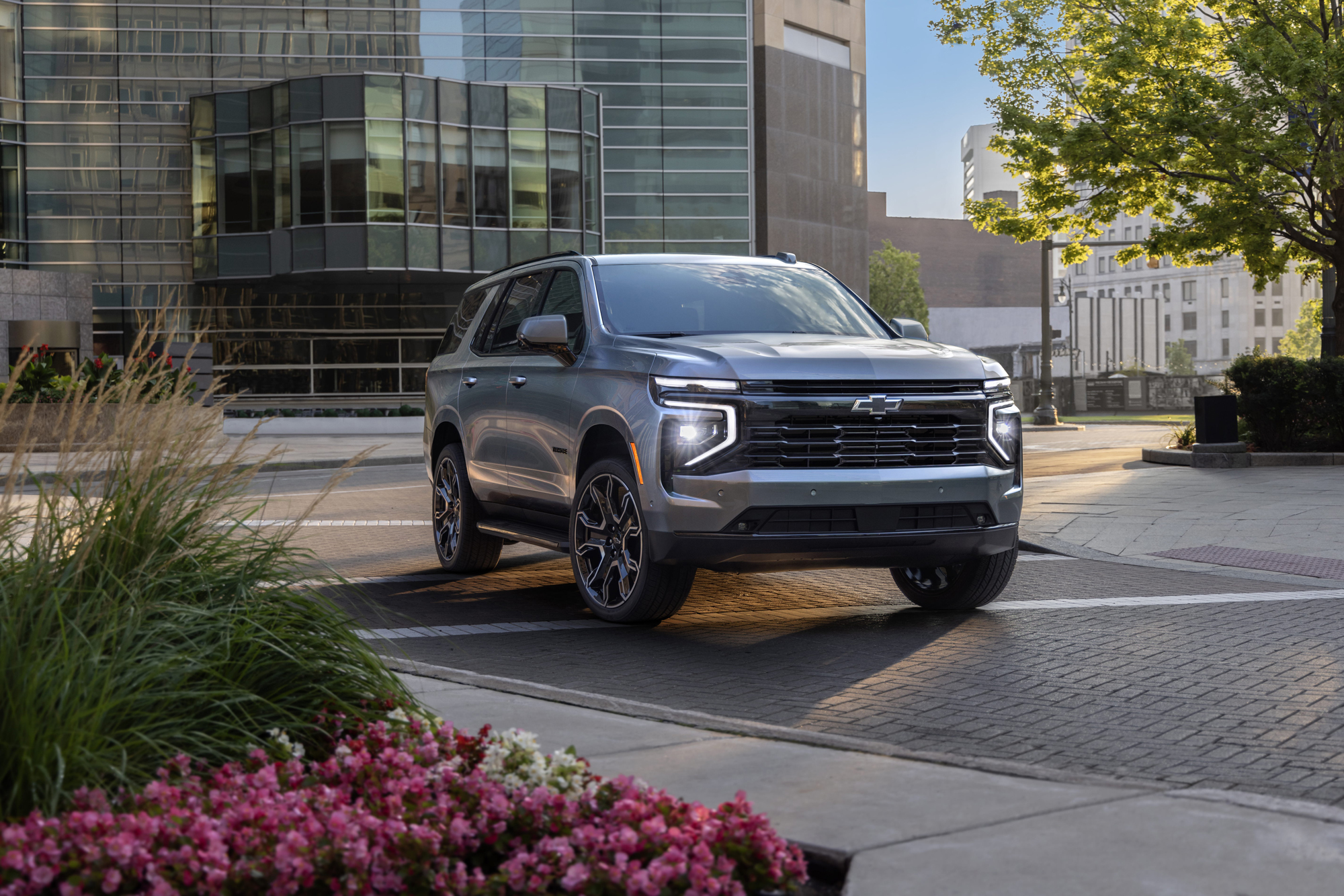
Which is why vehicles like the Chevrolet Tahoe may also be endangered species.
And what a shame that would be.
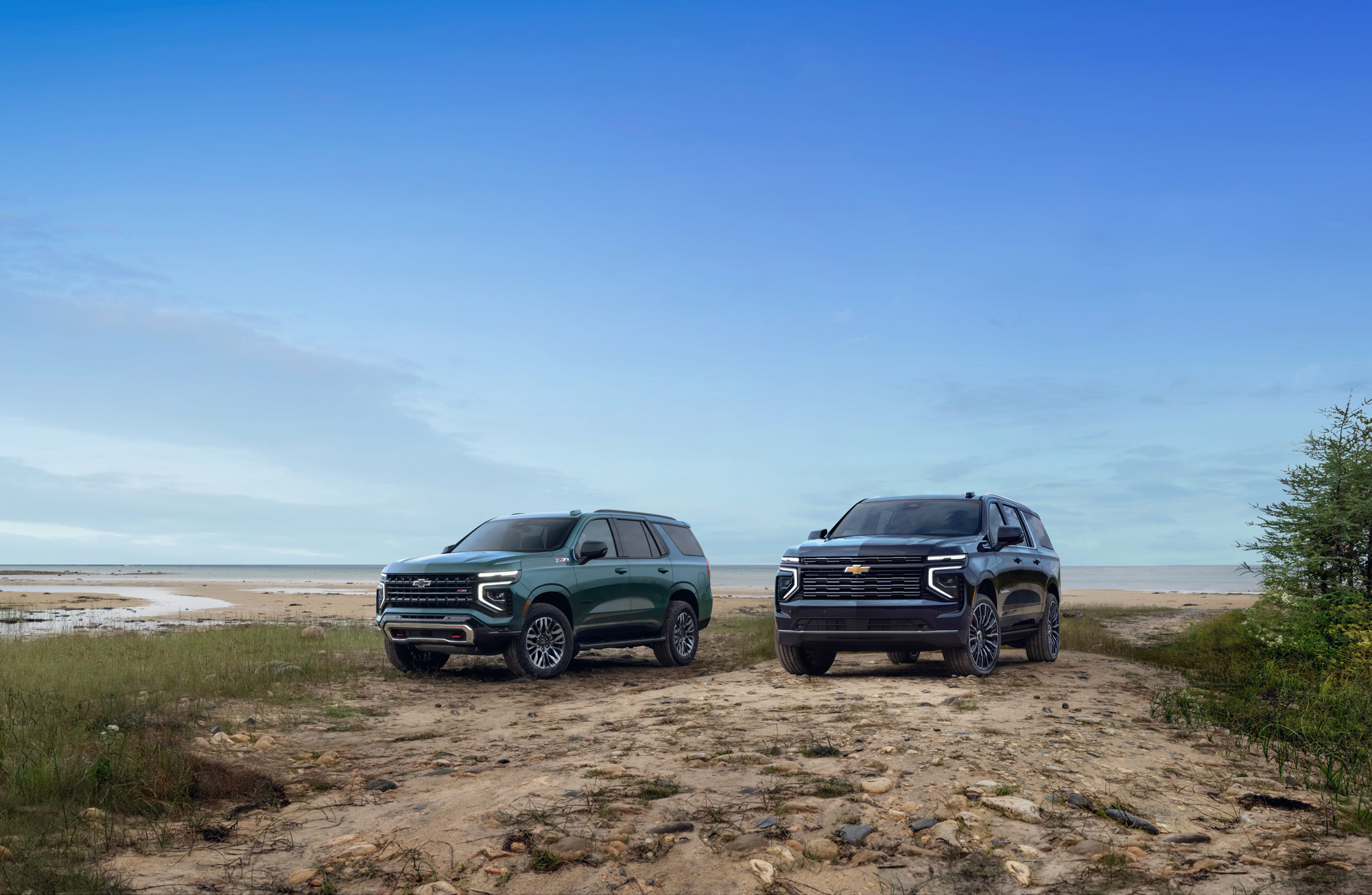
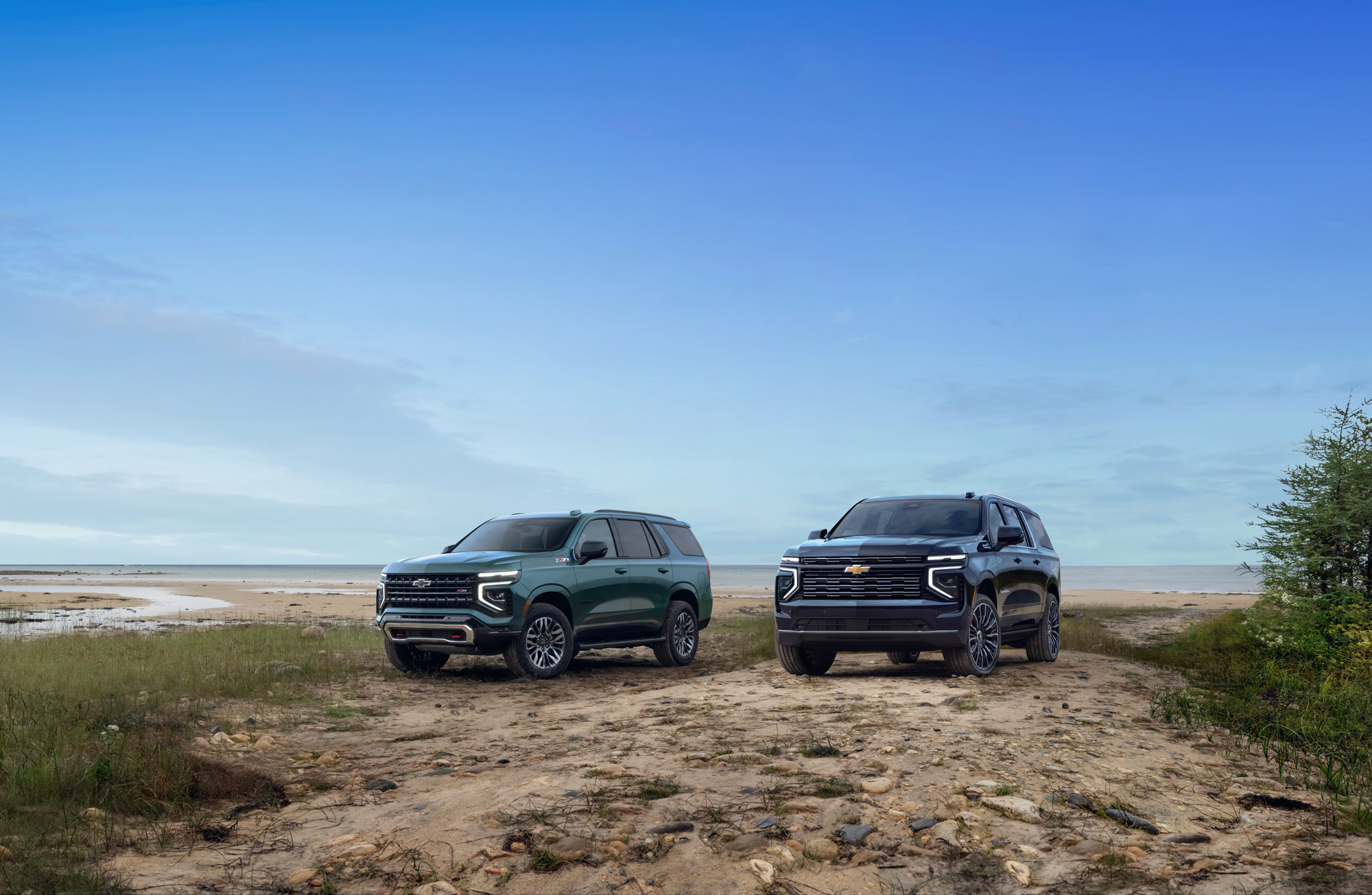
I have always had a soft spot for the Tahoe. This is the big Chevrolet SUV that traces its roots back to the old Blazer, a vehicle that understood its mission in life was to haul people and stuff over vast distances while making everyone feel invincible.
I’ve spent time with several Tahoes over the years, including models in 2015 and 2021. Now I’ve had a week behind the wheel of a 2026 Tahoe High Country, and I’m pleased to report Chevrolet hasn’t ruined it.
In an age when automakers seem determined to transform every beloved vehicle into an electric appliance with a name that sounds like a prescription medication, the Tahoe remains gloriously, unapologetically Tahoe-ish.
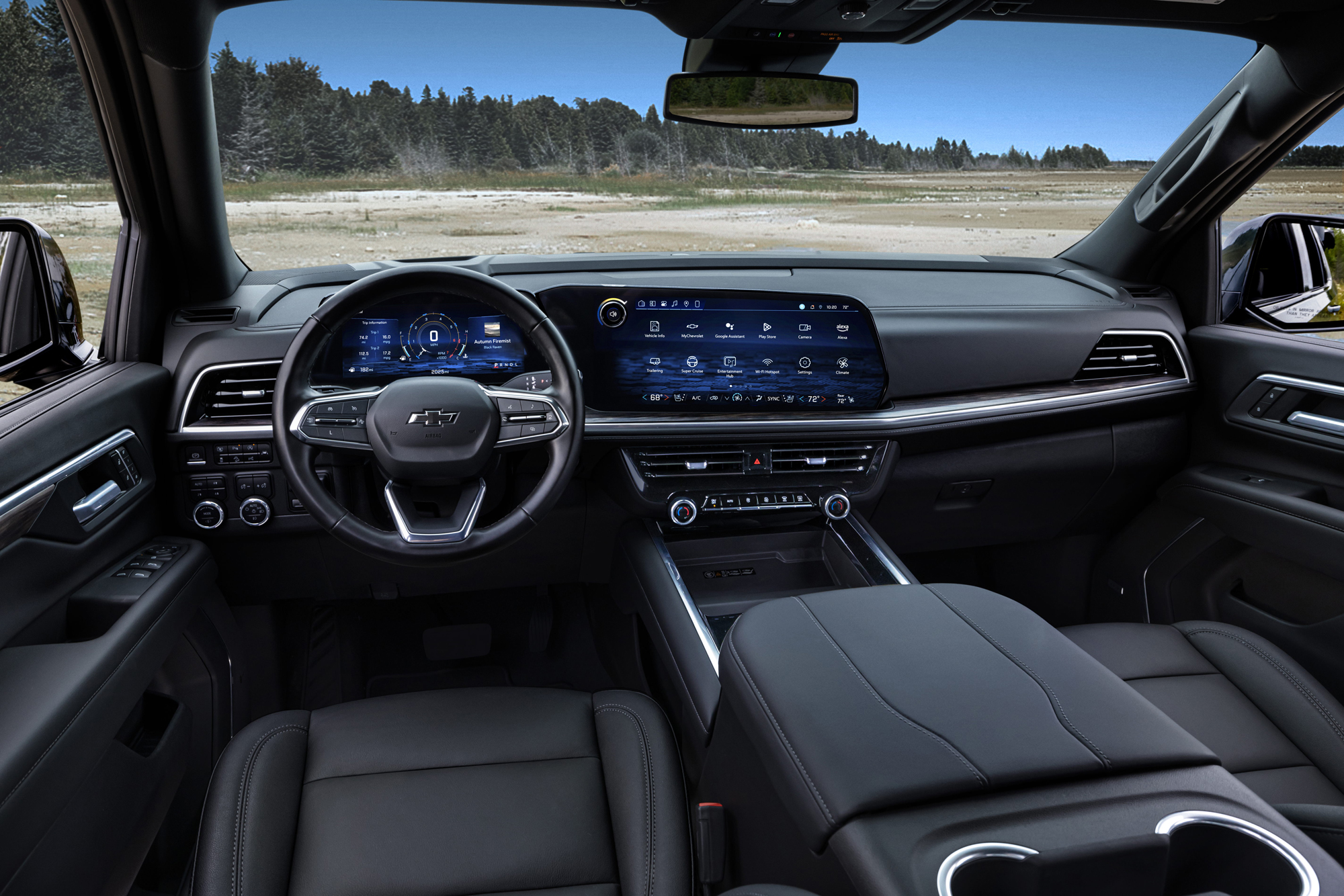
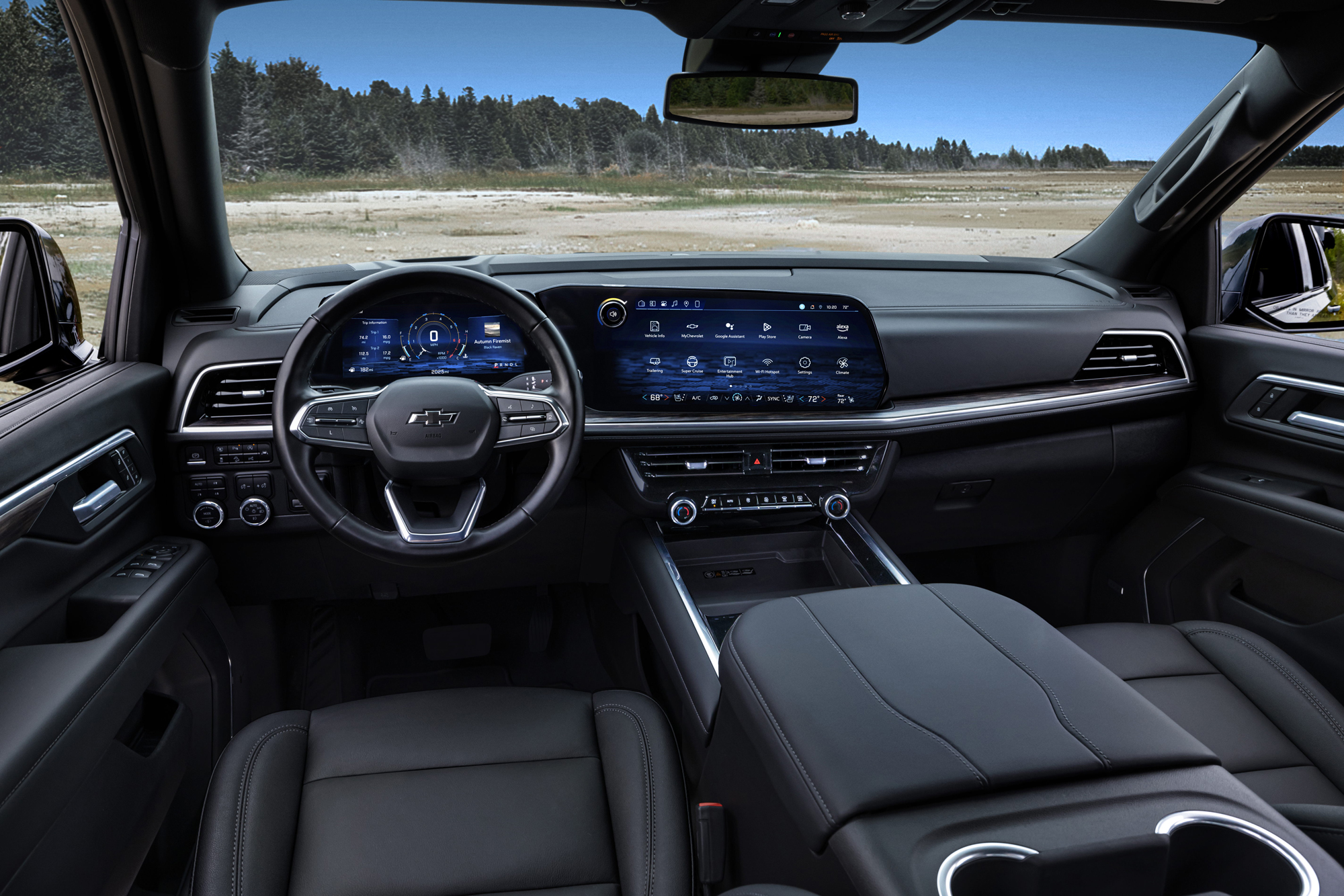
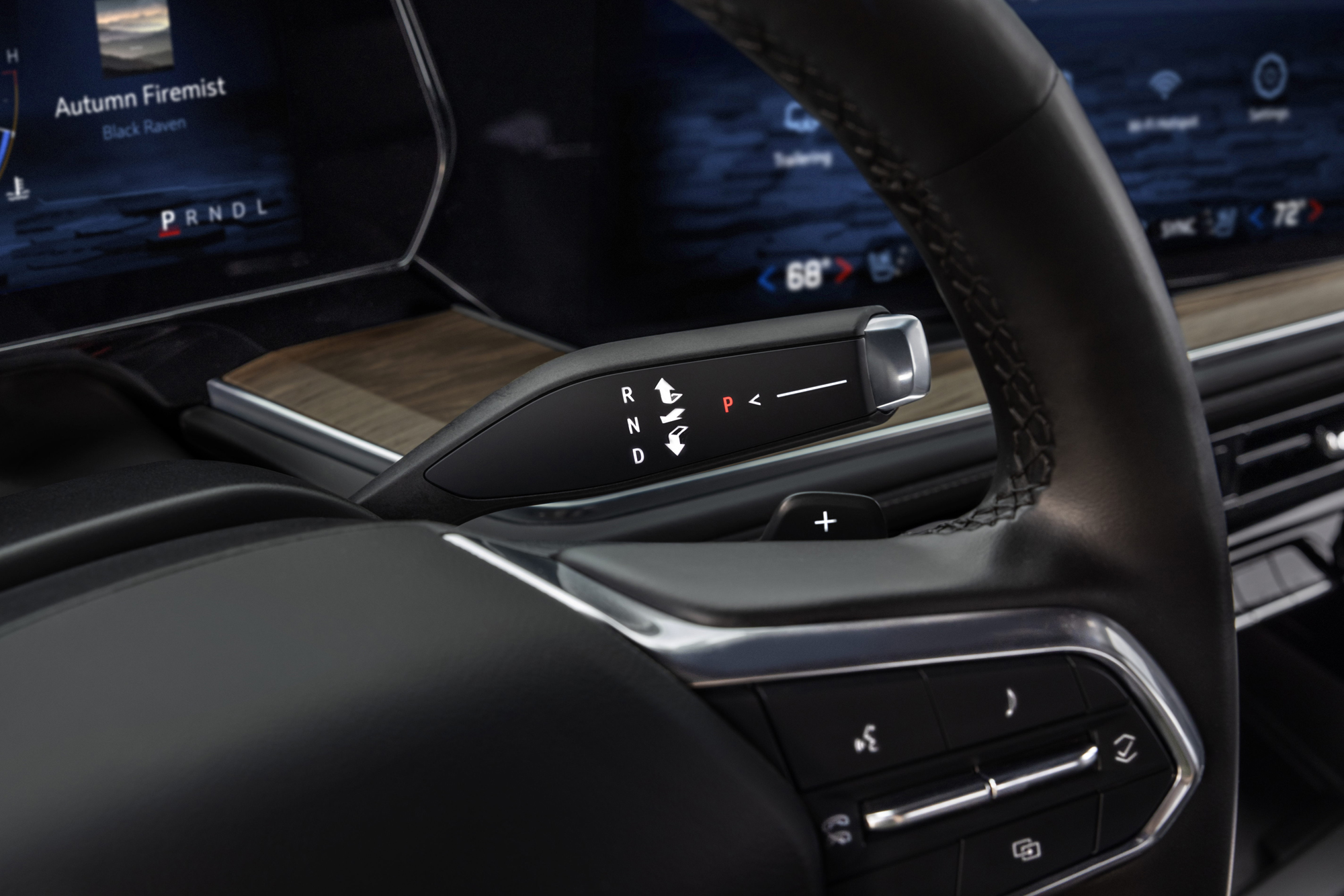
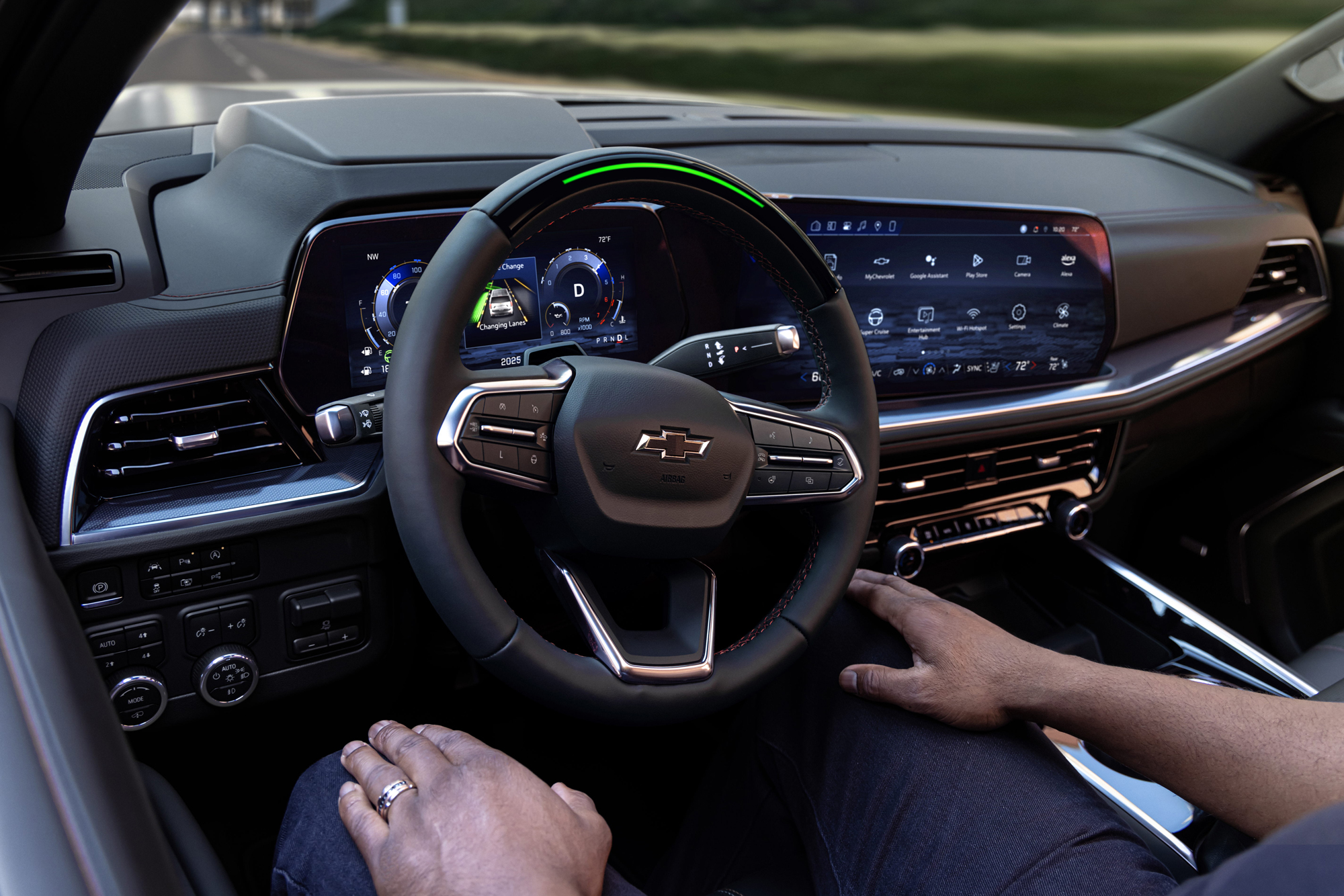
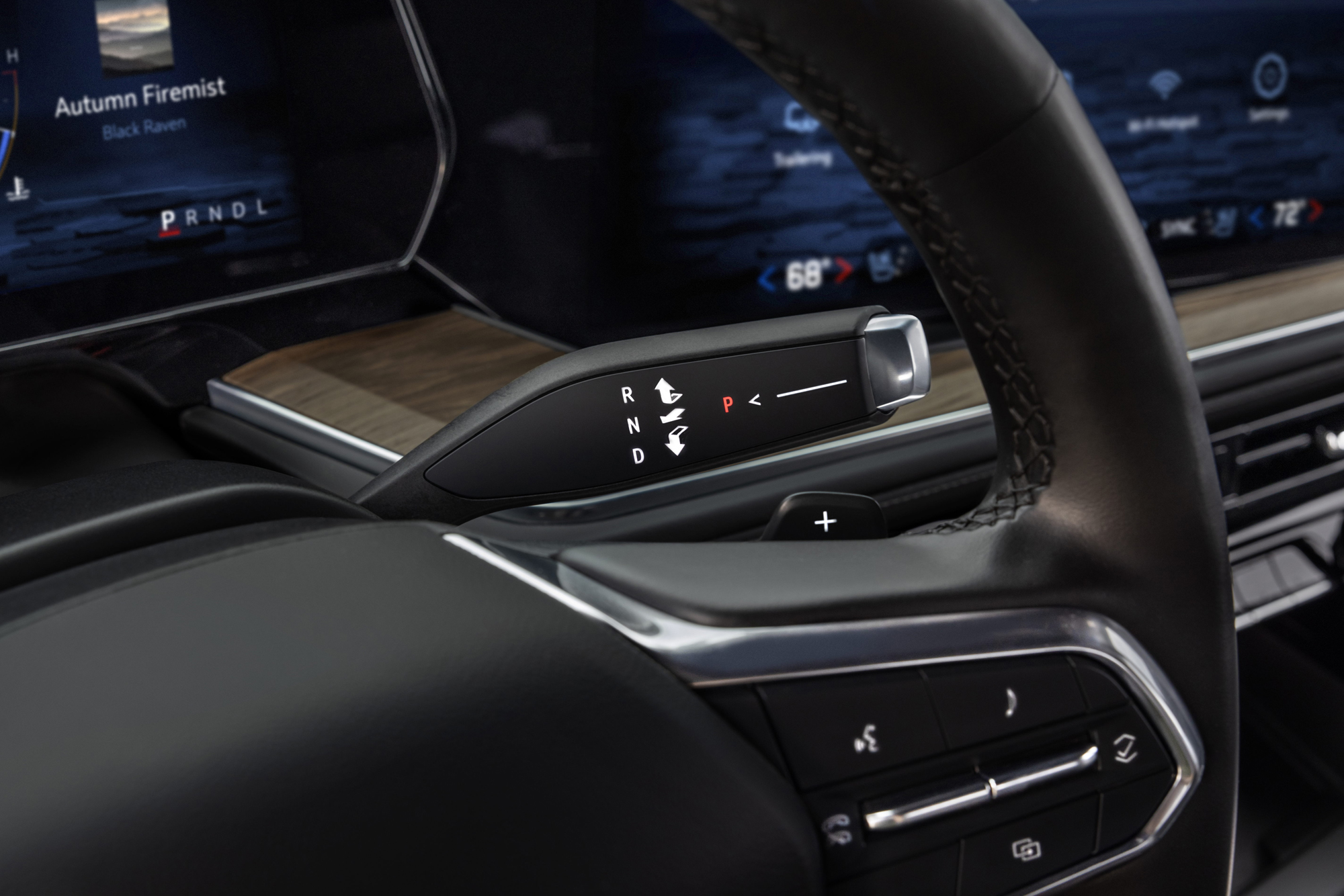
The latest version carries over the updates introduced last year, including refreshed styling, a dramatically improved dashboard, a massive 17.7-inch touchscreen, and an 11-inch digital instrument cluster. Fortunately, Chevrolet still remembers that drivers occasionally appreciate physical controls instead of navigating seventeen layers of menus just to adjust the temperature.
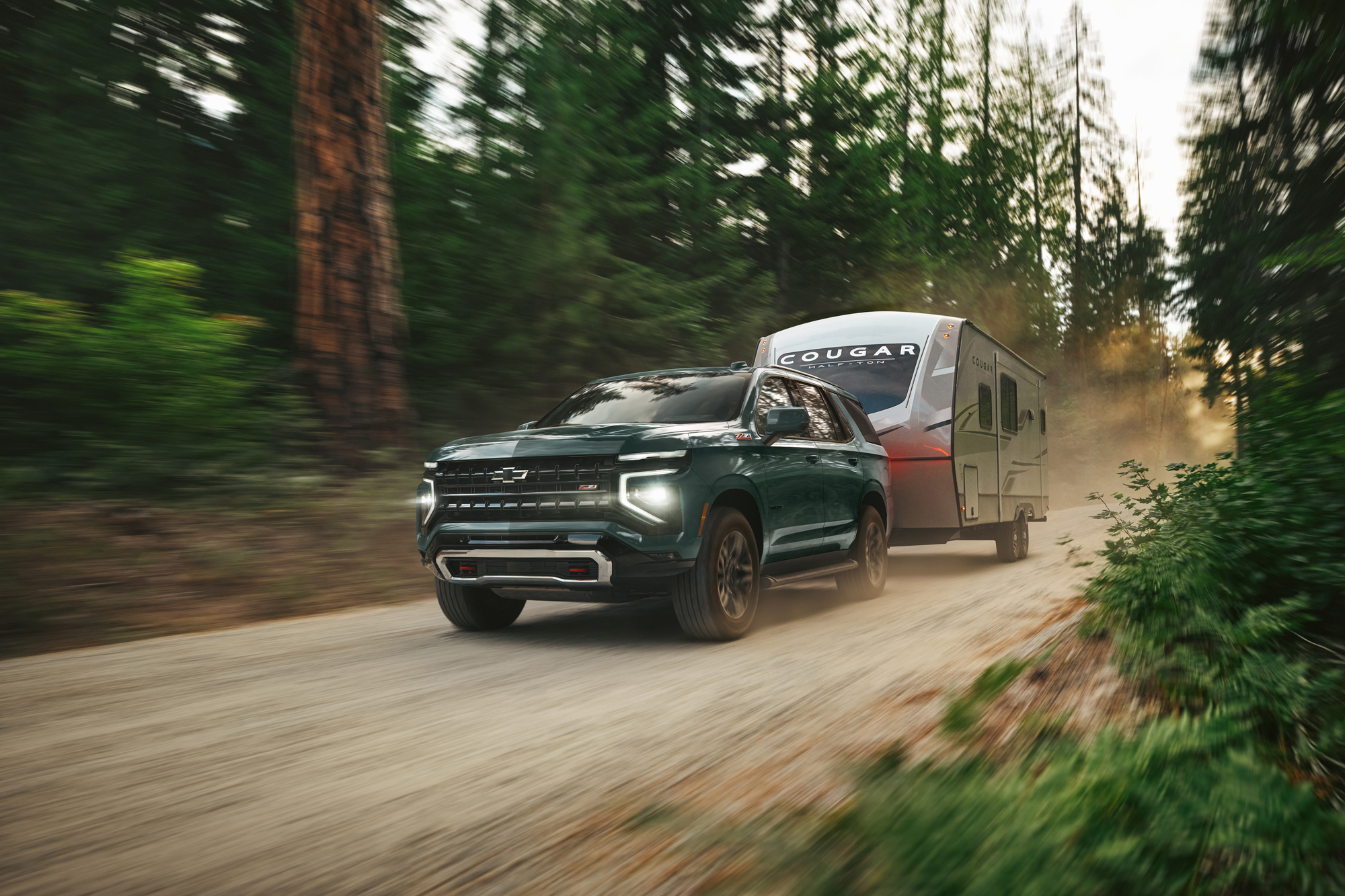
Engine choices remain familiar. The V-8 options continue to provide the sort of effortless power Americans have loved for decades, while the optional Duramax diesel now produces 305 horsepower and a stout 495 lb-ft of torque. That’s enough pulling power to tow a boat, a camper, or possibly a neighboring county.
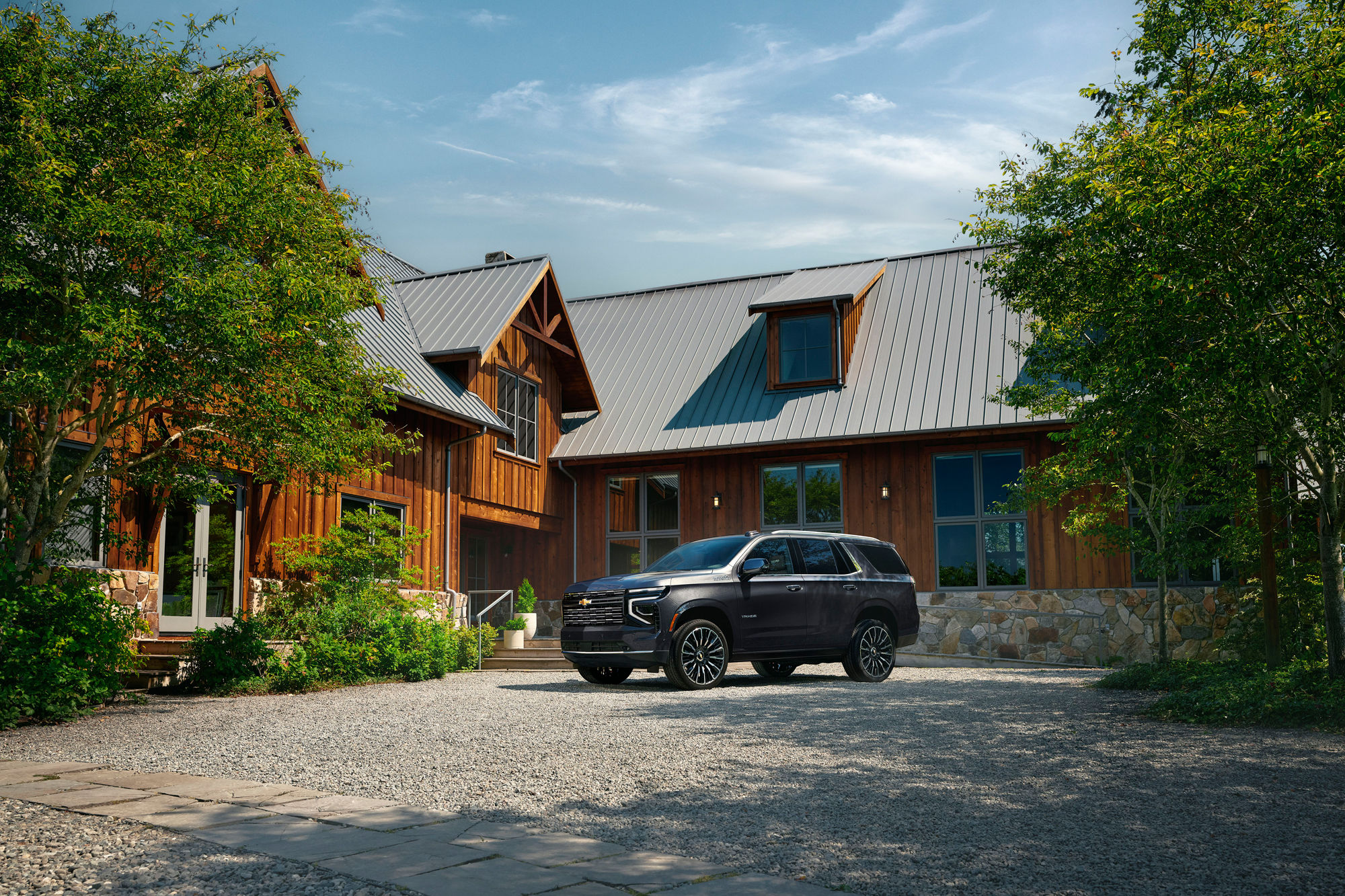
My tester was the top-of-the-line High Country, which is essentially what happens when Chevrolet decides that a luxury hotel lobby should also be capable of towing several tons.
There is honestly very little I don’t like about the Tahoe.
It’s big, bold, spacious, comfortable, luxurious, and possesses the sort of commanding presence that causes smaller vehicles to move politely out of the way. The cabin welcomes you the way a butler might welcome you home to your mansion. The seats are superb, the ride quality is remarkably smooth, and there is enough room for family, luggage, sports equipment, camping gear, and several weeks’ worth of questionable purchases from Costco.
More importantly, it feels substantial.
Many modern vehicles increasingly feel like rolling consumer electronics. The Tahoe still feels like a machine. A proper machine. One designed by people who understand that transportation isn’t always about getting from Point A to Point B as efficiently as possible. Sometimes it’s about the journey itself.
Today, the automotive conversation is dominated by one word: range.
How far can it go? How long does it take to charge? Which charging network does it use? Entire evenings can now be consumed discussing electrons.
Meanwhile, the only Punch Buggy most kids know is probably a gamer tag.
You don’t even need to leave home anymore. Groceries arrive at your doorstep. Dinner arrives at your doorstep. Household supplies arrive at your doorstep. If civilization advances much further, someone will invent a service that delivers people directly to their couch so they never have to stand up.
And that’s what worries me.
Because vehicles like the Tahoe were built for a different America. An America where families loaded up before sunrise, pointed the nose toward a distant horizon, and disappeared for a week. An America where getting somewhere was part of the adventure.
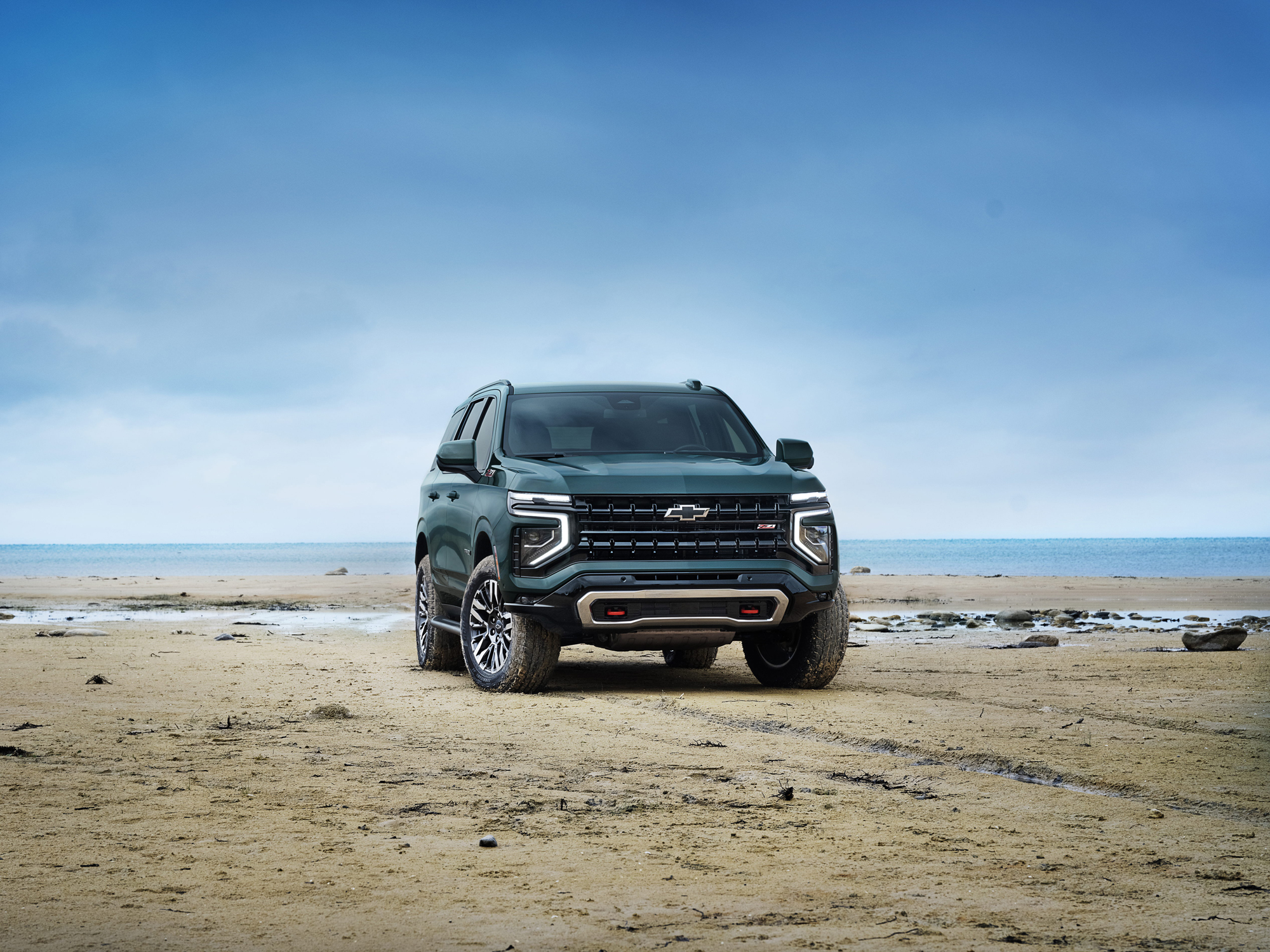
The Tahoe remains spectacularly good at that job. It devours interstate miles. It swallows luggage without complaint. It carries people in comfort for hours at a time. It practically begs you to find somewhere interesting and drive there.
The problem is that fewer people seem interested in going anywhere.
Which is why I sometimes wonder if vehicles like the Tahoe are becoming endangered species. Someday perhaps the only Tahoes we’ll see will be sitting quietly in museums next to relics from another era, or floating peacefully on the surface of that famous lake in California from which they borrowed their name.
And that would be a shame.
Because not everything should be automated. Not every inconvenience should be eliminated. Not every journey should be reduced to the shortest possible route between two points.
Sometimes the point is the journey itself.
Which brings me back to parallel parking.
No, you don’t really need to know how to do it anymore. Your car can handle that. Your phone can tell you where to go. Your navigation system can reroute you around traffic. Modern technology can remove nearly every challenge associated with driving.
But if we allow technology to remove all the effort, all the skill, and all the adventure, eventually we’ll forget why we wanted to drive in the first place.
The 2026 Chevrolet Tahoe is a reminder of that. A big, comfortable, wonderfully capable reminder that the open road is still out there waiting.
And unlike a smartphone, it actually makes you want to see what’s at the other end of it.
The 2026 Chevrolet Tahoe 4WD High Country
MSRP: $83,700
MSRP (as tested): $100,670
Engine 5.3-liter V8, 355 horsepower @ 5600 rpm, 383 lb-ft torque @ 4100 rpm
Transmission: 10-speed shiftable automatic
Fuel Mileage (EPA): 14 city, 18 highway, 16 combined
Fuel Mileage (as tested, mixed conditions): 21 mpg
Curb Weight: 5509.00 lbs.
Exterior Dimensions (inches)
Wheelbase: 120.9
Length: 211.3
Width, without mirrors: 81
Height: 76.4
Interior Dimensions
Passenger / Seating Capacity: 7
Front Head Room (inches): 42.3
Front Leg Room (inches): 44.5
Front Shoulder Room (inches): 65.6
Front Hip Room (inches): 61.5
Second Row Head Room (inches): 38.9
Second Row Leg Room (inches): 42.0
Second Row Shoulder Room (inches): 64.6
Second Row Hip Room (inches): 61.3
Third Row Head Room (inches): 38.2
Third Row Leg Room (inches): 34.9
Third Row Shoulder Room (inches): 62.7
Third Row Hip Room (inches): 49.4
Cargo Space/Area Behind Front Row (cubic feet): 122.7
Cargo Space/Area Behind Second Row (cubic feet): 72.5
Cargo Space/Area Behind Third Row (cubic feet): 25.5
Warranty
Basic Warranty 3 years / 36,000 miles
Drivetrain Warranty 5 years / 60,000 miles
Corrosion Warranty 3 years / 100,000 miles
Roadside Assistance Warranty 5 years / 60,000 miles

Greg was a writer for DriveTribe supporting Amazon's The Grand Tour and has been published in major publications across the country including the Los Angeles Times, the Cleveland Plain Dealer and the Atlanta Journal-Constitution. He was also a contributor to Chicken Soup for the NASCAR Soul, published in 2010, and the Christmas edition in 2016. He wrote as the NASCAR, Formula 1, Auto Reviews and National Veterans Affairs Examiner for Examiner.com and has appeared on Fox News. He holds a BS degree in communications, a Masters degree in psychology. He is currently the weekend Motorsports Editor for Autoweek and a regular contributor to Forbes.
- Formula 1 gives Kimi Antonelli another win and Lando Norris a headache - September 13, 2026
- Caraganza Review 2025 Range Rover Sport SV2: Luxury First, Lunacy on Demand - September 7, 2026
- Monza Miracle: Kimi Antonelli Turns A Grid Penalty Into F1 Glory - September 6, 2026


Greg Engle
Latest posts by Greg Engle (see all)
- Formula 1 gives Kimi Antonelli another win and Lando Norris a headache - September 13, 2026
- Caraganza Review 2025 Range Rover Sport SV2: Luxury First, Lunacy on Demand - September 7, 2026
- Monza Miracle: Kimi Antonelli Turns A Grid Penalty Into F1 Glory - September 6, 2026
- 2026 NHRA U.S. Nationals Saturday Qualifying: Langdon, Capps, Hartford and Herrera are provisional No. 1 qualifiers at Indy - September 5, 2026